Understanding Machined Stainless Steel Parts
Machined stainless steel parts play a critical role in modern manufacturing, contributing to the durability and reliability of various products. These components are meticulously processed through advanced machining techniques, ensuring precision and quality. As industries evolve, the demand for machined stainless steel parts continues to grow, driven by their versatility and performance advantages in various applications.
What Are Machined Stainless Steel Parts?
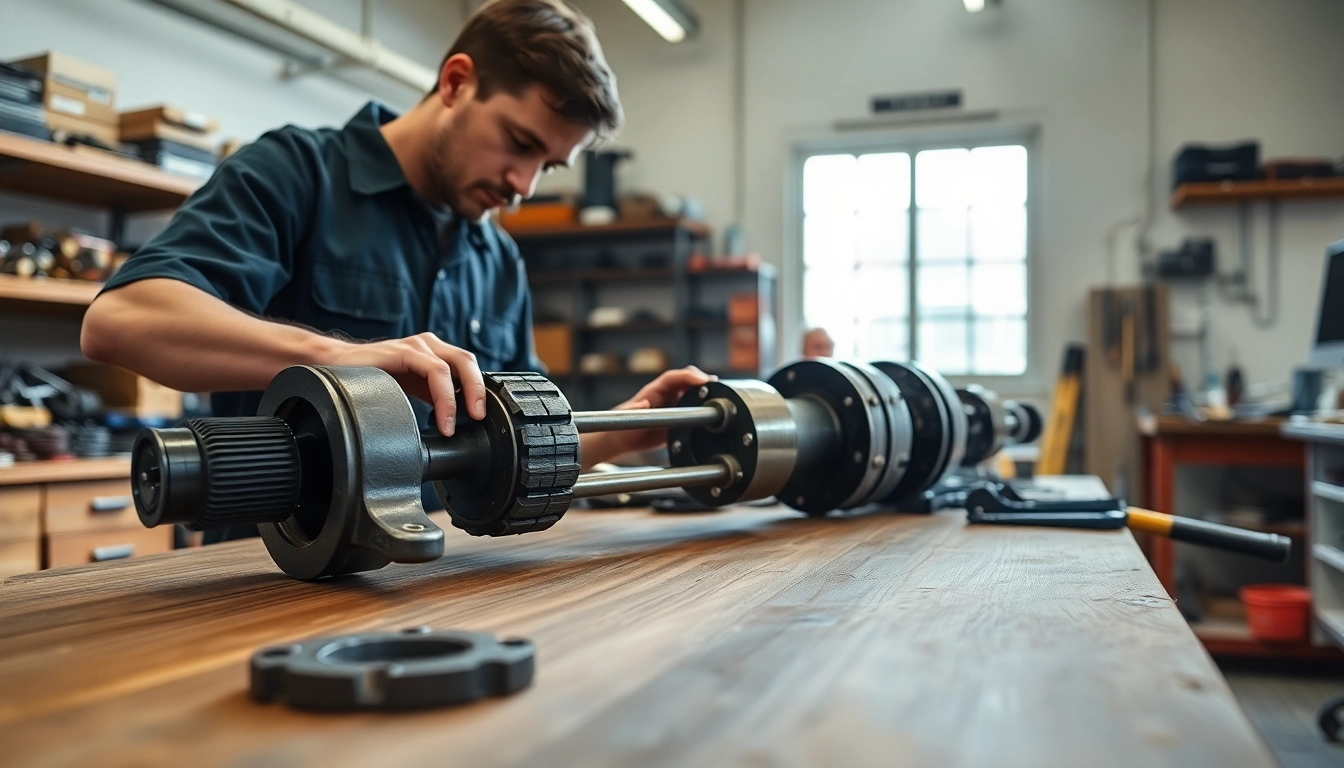
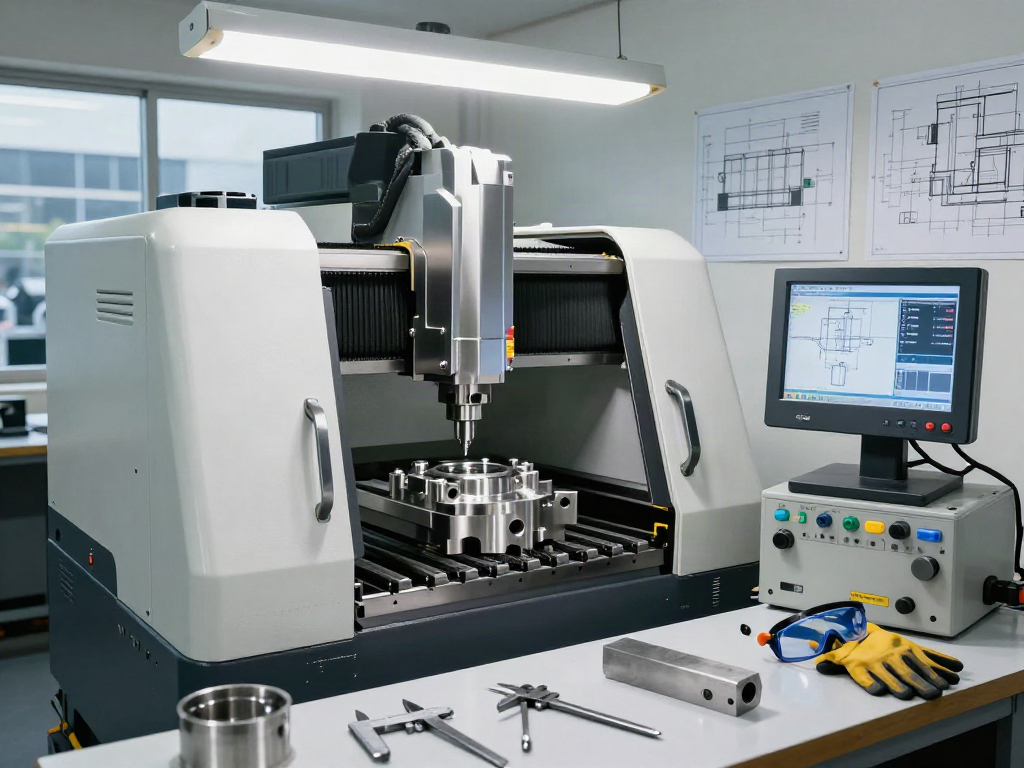
Machined stainless steel parts are components created from stainless steel through machining processes that include turning, milling, drilling, and grinding. These techniques allow for the removal of material to achieve specific shapes, sizes, and tolerances. Stainless steel, known for its corrosion resistance and strength, is the preferred material in industries ranging from aerospace to medical equipment.
Benefits of Using Machined Stainless Steel Parts
The use of machined stainless steel parts offers numerous advantages, including:
- Corrosion Resistance: Stainless steel's inherent resistance to rust and oxidation makes it ideal for applications in harsh environments.
- Durability: With high tensile strength, machined stainless steel parts can withstand significant stress and pressure, ensuring longevity.
- Versatility: These parts can be tailored for various applications, making them suitable for multiple industries.
- Precision Machining: Advanced CNC (Computer Numerical Control) machining enables the production of parts with tight tolerances, ensuring high-quality performance.
Common Applications of Machined Stainless Steel Parts
Machined stainless steel parts are utilized in a wide array of industries and applications, including:
- Aerospace: Components such as brackets, fittings, and fasteners need to meet stringent safety standards.
- Medical Devices: Surgical instruments and implants require precision and corrosion resistance for safe use.
- Automotive: Parts like engine components and transmission systems benefit from the strength and durability of stainless steel.
- Marine Applications: Equipment exposed to seawater needs highly corrosion-resistant materials to extend service life.
Challenges in Machining Stainless Steel
Common Obstacles in Machining Stainless Steel
Despite its benefits, machining stainless steel comes with challenges, such as:
- Tool Wear: The hardness of stainless steel can lead to increased wear on cutting tools, necessitating more frequent replacements.
- Heat Generation: Prolonged machining can generate excessive heat, causing distortion or damage to parts.
- Chip Formation: Managing swarf (metal chips) can be problematic if not handled properly, impacting overall efficiency.
Misconceptions About Stainless Steel Machining
There are several misconceptions surrounding the machining of stainless steel, including:
- All Stainless Steel Is the Same: Different grades (e.g., 304 vs. 316) have varying machinability and applications.
- It’s Always More Expensive: While initial costs may be higher, the longevity and lower maintenance of stainless steel can lead to cost savings over time.
Best Practices for Effective Machining
To overcome the challenges associated with machining stainless steel, manufacturers can adopt several best practices:
- Choose the Right Tools: Utilize high-speed steel or carbide tools designed specifically for stainless steel.
- Optimize Cutting Speed: Adjust cutting speeds and feed rates to minimize heat generation and reduce tool wear.
- Implement Effective Cooling: Use cutting fluids to cool the tool and workpiece, improving cutting efficiency and extending tool life.
Technological Advances in Stainless Steel Machining
The Future of CNC Machinery in 2026
The landscape of CNC machining is changing rapidly, with new technologies that promise to enhance precision and efficiency. By 2026, advancements such as artificial intelligence in CNC operations and automated tool changes will likely be commonplace, allowing for even higher production rates and reduced downtime.
Innovations in Machining Techniques
Innovative techniques like additive manufacturing combined with traditional machining are paving the way for new possibilities in part design. 3D printing can create unique geometries that are then finished through machining, providing a hybrid approach that boosts efficiency.
Emerging Materials in Stainless Steel Production
Research into new alloy compositions and production techniques is leading to enhanced properties of stainless steel. For example, the development of duplex stainless steels offers improved strength and corrosion resistance, promising to address some existing challenges in machining.
Case Studies: Successful Applications
Real-World Examples of Machined Stainless Steel Parts
Several companies have successfully implemented machined stainless steel parts in innovative ways:
- Aerospace Manufacturer: A leading aerospace company reduced part weight while maintaining structural integrity by utilizing an advanced machining process that optimized material use.
- Healthcare Provider: A hospital system invested in custom machined surgical instruments that improved precision and patient outcomes through better design and craftsmanship.
Industry-Specific Success Stories
Industries worldwide have embraced the benefits of machined stainless steel parts, demonstrating their value:
- Food Processing: A prominent food processing plant adopted stainless steel components that withstood frequent cleaning cycles and enhanced food safety.
- Automotive Sector: A car manufacturer leveraged high-tolerance machined stainless steel fasteners that improved assembly line efficiency and vehicle durability.
Analyzing Performance Metrics
To understand the success of machined stainless steel parts, performance metrics such as production accuracy, cost-effectiveness, and part longevity must be evaluated. Companies have reported a notable decrease in failure rates and maintenance needs, showcasing the advantages of utilizing high-quality machined components.
Future Trends and Predictions
Anticipated Changes in Manufacturing Techniques
The future of manufacturing will see an increase in sustainability and efficiency. Techniques such as closed-loop machining systems will reduce waste and improve material utilization, aligning with broader industry goals of minimizing environmental impact.
Market Projections for Machined Stainless Steel Parts in 2026
Industry analysts predict that the market for machined stainless steel parts will grow significantly. Factors contributing to this growth include advancements in machining technologies and increasing demand across sectors like automotive, aerospace, and medical devices.
Guiding Principles for Future Implementations
To remain competitive, manufacturers must adhere to guiding principles that include continuous improvement, investment in technology, and fostering collaboration between engineering and manufacturing teams. By doing so, companies can adapt to market changes while ensuring the production of high-quality machined stainless steel parts.
How do I choose the right supplier for machined stainless steel parts?
Choosing the right supplier involves assessing their experience, quality certifications, and ability to meet lead times. Consider suppliers who offer prototyping and have a solid reputation in the industry.
What industries benefit most from machined stainless steel parts?
Industries such as aerospace, automotive, medical, and food processing significantly benefit from using machined stainless steel parts due to their enhanced durability and corrosion resistance.
What are the environmental impacts of stainless steel machining?
The environmental impact of stainless steel machining can be mitigated through sustainable practices, such as recycling metal scraps and using eco-friendly cutting fluids.
Can machined stainless steel parts be recycled?
Yes, machined stainless steel parts can be recycled effectively, reducing waste and promoting sustainability in manufacturing practices.
What certifications are important for stainless steel machining?
Certifications such as ISO 9001 for quality management and AS9100 for aerospace standards are crucial for ensuring compliance and maintaining high quality in machined stainless steel parts.