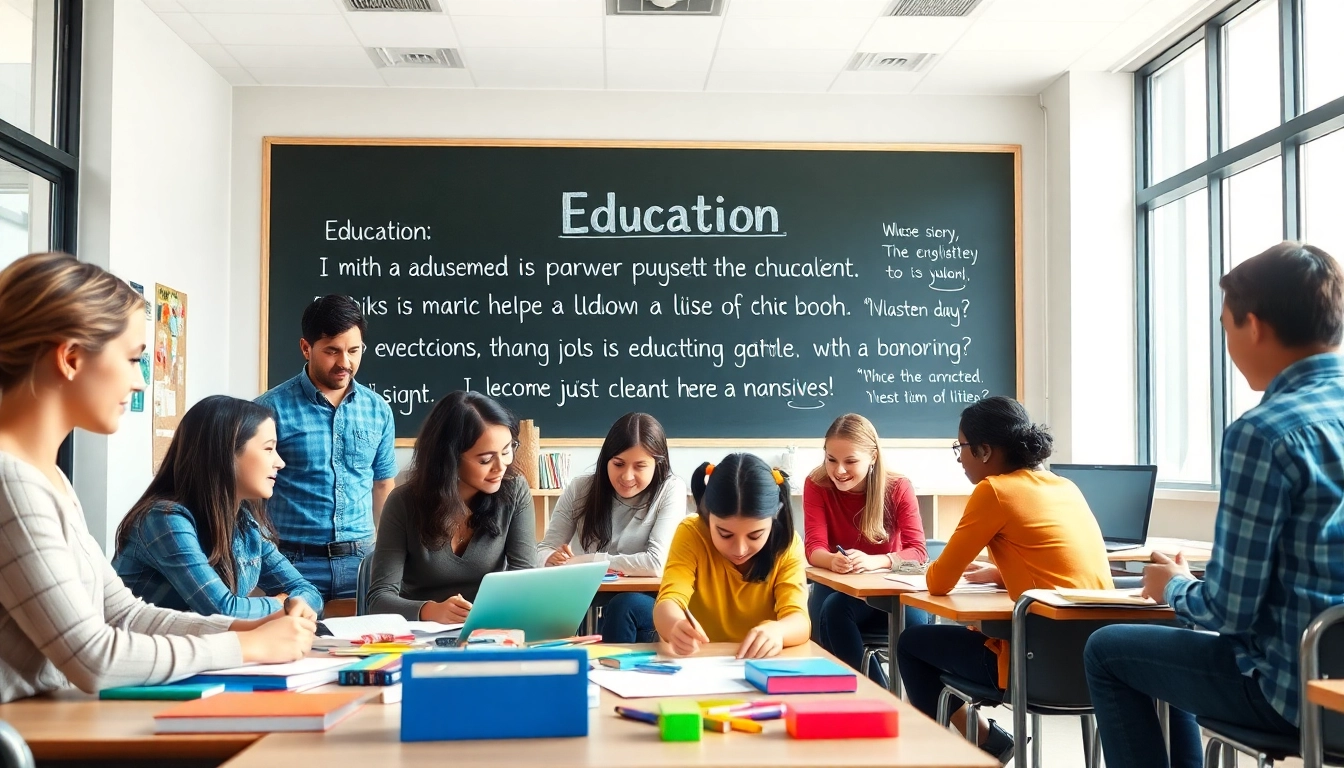
Understanding the Importance of Education
Defining Education and Its Goals
Education is a multifaceted discipline that encompasses the transmission of knowledge, skills, values, and cultural norms from one generation to another. As defined, the primary goals of education are not merely to impart academic knowledge but also to foster critical thinking, creativity, and social responsibility among learners. The modern perspective on education sees it as a lifelong process that occurs in various contexts—formal, informal, and non-formal. This comprehensive approach enhances personal development, enables informed decision-making, and cultivates engaged citizens.
The Role of Education in Society
Education plays a crucial role in shaping societies. It serves as a foundation for personal and professional development and is instrumental in promoting equality and social justice. An educated populace is pivotal to economic growth, as it can adapt to changing job markets and contribute innovations. Furthermore, education fosters cultural appreciation and tolerance by highlighting diverse perspectives and histories. Education is the key that unlocks potential, opening doors not just to careers but to community engagement and leadership.
Challenges Faced in the Education Sector
Despite its significance, the education sector faces myriad challenges that hinder its effectiveness. Funding disparities, especially in public education, lead to unequal resource allocation and enkindle systemic injustices. Additionally, the curriculum can often become outdated due to the rapid pace of societal change, making it difficult for educators to equip students with relevant skills. Chronic underfunding, teacher shortages, and lack of access to technology also impede the delivery of quality education, particularly in underserved regions.
Modern Approaches to Education
Innovative Teaching Techniques
Modern education encourages innovative teaching methodologies that foster active learning. Techniques such as project-based learning, inquiry-based learning, and flipped classrooms have emerged as effective strategies to engage students deeply. These approaches prioritize experiential learning, where students participate in projects that require them to apply their knowledge in practical situations. This not only enhances retention but also encourages collaboration and problem-solving skills essential for future careers.
Integrating Technology into Education
The integration of technology in education has transformed the landscape of teaching and learning. From digital platforms to online resources, technology provides tools to enhance engagement and accessibility. Interactive learning applications and virtual classrooms expand learning opportunities beyond traditional confines, especially significant during periods of disruption such as global pandemics, where remote learning became a necessity. However, successful integration requires training teachers to utilize these tools effectively and ensuring equitable access for all students.
Creating Inclusive Education Environments
Inclusive education aims to accommodate the varying needs of all learners, particularly those with disabilities or special learning requirements. Practices that promote inclusivity involve differentiating instruction, providing additional resources, and creating supportive educational environments. This approach not only benefits those who might face challenges in conventional settings but enriches the learning experiences of all students by fostering empathy, respect, and collaboration.
Best Practices for Educators
Engaging Students through Differentiated Instruction
Differentiated instruction is an effective strategy educators can employ to cater to diverse learning styles and abilities within a classroom. This approach involves tailoring lessons to meet individual student needs based on their interests, readiness levels, and learning profiles. Techniques may include varying content delivery methods, offering multiple avenues for students to demonstrate understanding, and grouping students strategically for collaborative learning. The goal is to challenge each learner effectively while ensuring they feel valued and understood.
Assessment Strategies in Education
Effective assessment strategies are vital for monitoring student progress and informing instructional practices. Implementing various forms of assessments—formative, summative, and performance-based—enables educators to gather comprehensive insights into student learning. By creating a balanced assessment system that includes both traditional tests and alternative evaluations such as presentations, portfolios, or peer reviews, educators can foster a more accurate picture of student capabilities and areas for growth.
Fostering a Growth Mindset in Students
Encouraging a growth mindset among students is fundamental to their development as learners. A growth mindset—the belief that abilities can improve through effort and perseverance—can lead to higher motivation and resilience. Educators can cultivate this mindset by using language that emphasizes learning from mistakes, setting challenging yet achievable goals, and providing constructive feedback. Celebrating effort as much as achievement reinforces the idea that persistence is crucial for success.
The Future of Education
Trends Shaping Education in the 21st Century
As the world rapidly evolves, specific trends are emerging in education that will influence its future trajectory. Globalization has led to increased collaboration and exchange of ideas between educational institutions across borders. Additionally, there is a growing emphasis on STEM (Science, Technology, Engineering, and Mathematics) education, reflecting the demands of contemporary job markets. Soft skills such as communication, collaboration, and critical thinking are also becoming integral components of the curriculum, acknowledging their importance alongside technical expertise.
The Impact of Globalization on Education
Globalization has opened up new avenues for educational exchange and collaboration. It facilitates cross-cultural understanding that prepares students to thrive in a global workforce. In this atmosphere, foreign language learning and international education programs have gained prominence, enhancing students' adaptability and intercultural competencies. Schools are also increasingly embracing diversity, promoting inclusive practices that recognize the value of global perspectives in enriching the learning environment.
Preparing Students for Future Careers
Preparing students for future careers involves equipping them with the skills and knowledge they need to thrive in an increasingly dynamic job market. Partnerships between educational institutions and industry leaders can offer students practical experience through internships, guest lectures, and mentorship programs. Furthermore, integrating career education into the curriculum from an early age helps students explore different pathways and understand the skills required in various fields, making informed decisions about their futures.
Measuring Success in Education
Key Performance Indicators for Educational Institutions
Measuring the success of educational institutions relies heavily on establishing clear performance indicators. Metrics such as graduation rates, standardized test scores, and student engagement levels provide valuable data on institutional effectiveness. Furthermore, qualitative assessments such as student feedback and parent satisfaction surveys also offer insights into the educational experience. By combining quantitative and qualitative data, schools can identify areas of strength and opportunities for improvement.
Parent and Community Involvement in Education
Active involvement from parents and the community is crucial for enhancing educational outcomes. Schools that foster strong partnerships with families and community organizations benefit from shared resources, diverse perspectives, and a broader support system for students. Initiatives such as volunteer programs, parental workshops, and community events can strengthen these partnerships, ensuring a holistic approach to education that resonates well beyond school walls.
Long-Term Outcomes of Quality Education
The long-term outcomes of quality education extend far beyond academic achievement. They encompass personal, social, and economic aspects that fundamentally alter an individual's life trajectory. People who receive quality education typically demonstrate higher earning potential, better health outcomes, and increased civic engagement. Moreover, societies that prioritize education tend to experience lower crime rates and greater social cohesion, evidencing the profound impact that education has on both individuals and communities alike.