A delivery robot can move along a planned route, but the final few metres still create the hard problems. Curbs, doors, people, weather, and missing drop-off space all test the machine at once. Last-mile robots will earn their place through reliable handoffs, clear safety rules, and costs that fit real delivery work.
Quick read
- Route planning is only one part of the job; the handoff needs equal attention.
- Cameras, LiDAR, and remote support each help, but none removes the need for safe human control.
- A useful robot must carry the right load, protect the parcel, and return to work with little downtime.
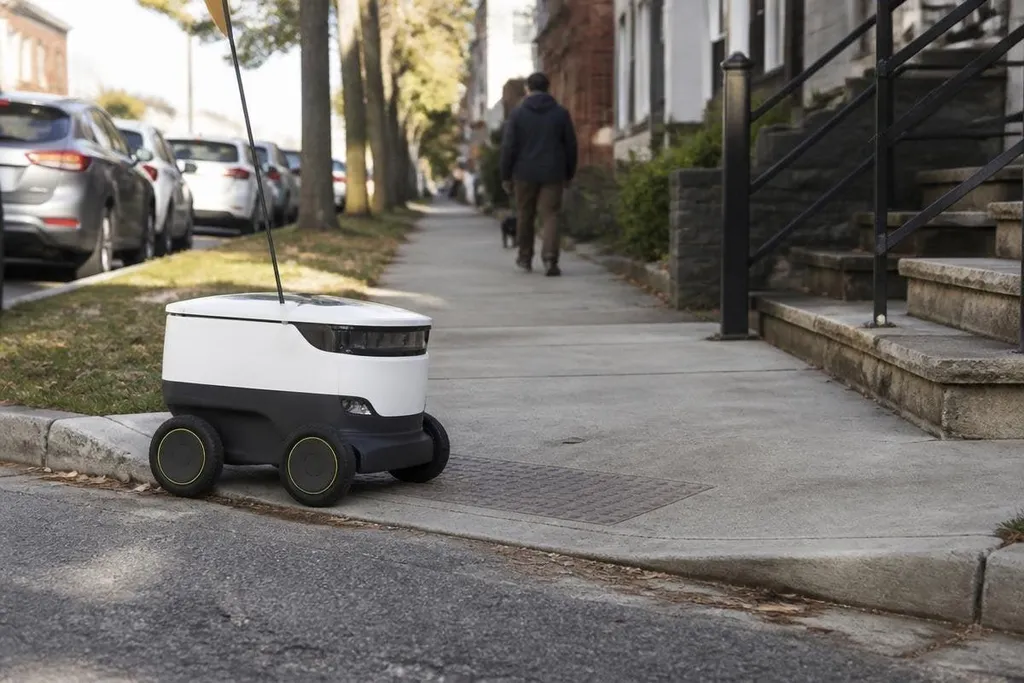
The curb is the real test
A robot can follow a map and still fail at the address. A blocked sidewalk, a curb ramp covered by a vehicle, or a door that opens toward the robot can stop the trip before the parcel reaches its destination.
That makes local movement a bigger task than route planning. The robot needs cameras to read nearby objects, LiDAR to measure space, and software that can choose a safe path when the planned route no longer fits. It also needs a way to stop when the scene is unclear.
The handoff adds another layer. A cargo box may need a lock, a code, or a clear method for checking that the right person receives the parcel. If the recipient cannot meet the robot at the curb, the system needs a defined next step instead of leaving the parcel in an open public space.
Remote help will remain part of the system
Autonomy handles routine movement. Remote operators handle the cases the robot cannot judge with enough confidence. That support may involve checking a camera view, approving a path, or guiding the robot around a blocked section.
A better measure is how often the robot needs help, how long each case takes, and what happens when no operator is free. A system that needs attention at every difficult doorway will add labor rather than cut it.
A route demo says little about a delivery robot’s full shift, especially when doorways, missed handoffs, and operator delays count as labor. When a project appears on Robot 24, check its route, payload, test date, and human handoff before treating a short trial as daily service.
The machine must fit the delivery job
A small robot may suit meals or pharmacy parcels, while a larger design may carry several orders in one trip. The right choice depends on payload, cargo security, wheel design, battery changes, and the ground the robot must cross.
Weather also changes the job. Rain can affect cameras and traction. Snow can hide curb edges. Heat can reduce battery life. A company that shows indoor or dry-weather runs has not yet shown the same machine working through every street condition.
The service plan matters as much as the hardware. Someone must clean the sensors, charge the battery, recover a stuck robot, and handle damaged cargo. Those tasks belong in the cost before anyone compares the robot with a van, bicycle, or human courier.
What remains unproven
The field still needs clear evidence on long service periods, public acceptance, theft rates, and repair work. A short pilot can show that a robot moves parcels. It cannot show how the system performs after months of blocked paths, worn tyres, sensor damage, and missed handoffs.
Cost claims also need care. The purchase price is only one line. Software, remote support, insurance, permits, charging equipment, maintenance, and staff time can change the result.
If those numbers stay private, the business case stays unfinished.
Before you compare a last-mile robot with another delivery method, check these points:
- Route evidence: Ask for the streets, surfaces, weather, and number of completed trips.
- Handoff method: Check how the box opens, who receives the parcel, and what happens after a missed delivery.
- Human support: Find out the operator workload and the response time for a blocked route.
- Cargo limits: Match the box size and payload to the parcels you actually send.
- Service work: Price charging, cleaning, repairs, recovery, and damaged deliveries.
- Public rules: Confirm the local limits for sidewalk use, speed, parking, and remote control.
I'd wait for service records that show how often the robot needs human help and how much each completed delivery costs. Until companies publish those figures across ordinary streets, the curb remains the part of last-mile robotics that still needs proof.