Understanding Electric Chain Hoist Cranes
Electric chain hoist cranes are essential tools in modern industrial settings, simplifying heavy lifting tasks with ease and precision. These devices use electric power to facilitate the lifting and lowering of heavy materials, making them indispensable for various applications, from manufacturing to construction. Investing in a reliable electric chain hoist crane can significantly improve operational efficiency and safety in the workplace.
What is an Electric Chain Hoist Crane?
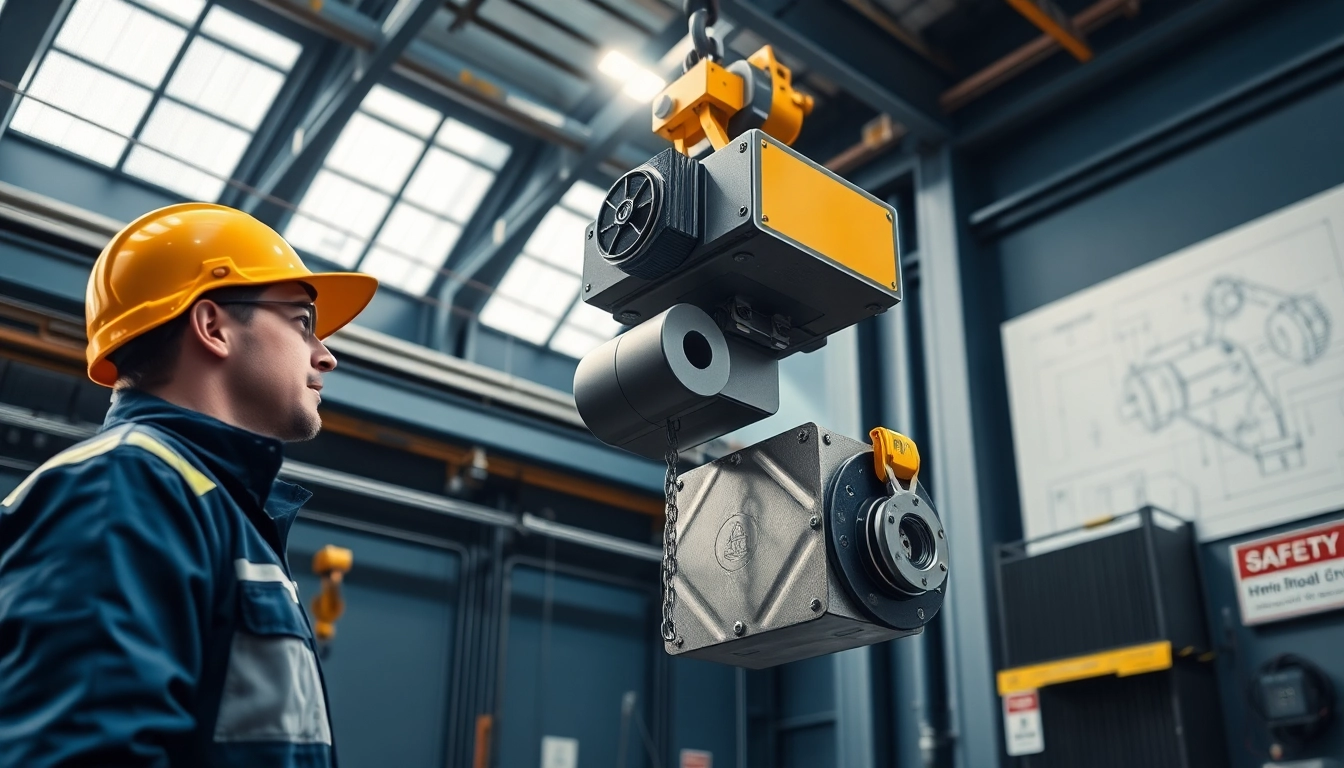
An electric chain hoist crane is a type of lifting mechanism that utilizes an electric motor to lift or lower heavy loads via a chain. The motor drives a gear system that moves the chain, allowing accurate positioning and control over the load being lifted. Unlike manual hoists, electric chain hoists provide seamless operation with minimal physical strain on the operator, making them suitable for frequent use and heavier loads.
Key Components and Their Functions
Understanding the components of an electric chain hoist crane is crucial for effective operation and maintenance. The main parts include:
- Motor: Powers the lifting mechanism and is available in different configurations, such as single-phase or three-phase.
- Chain: The primary element used to lift the load, it is designed to withstand high tension without deformation.
- Hook: Attached to the chain, it secures the load during lifting operations.
- Control System: This includes buttons or a pendant that allows operators to control the lifting and lowering processes.
- Gearbox: Transmits power from the motor to the chain, providing torque and controlling speed.
Common Applications in Industry
Electric chain hoist cranes are employed across various industries due to their versatility. Common applications include:
- Manufacturing: Used for assembly line work and material handling.
- Construction: Essential for lifting heavy building materials at construction sites.
- Warehousing: Facilitate the movement of goods and equipment in storage environments.
- Automotive: Streamline vehicle assembly and repair processes.
- Aerospace: Handle heavy components in aircraft manufacturing and maintenance.
Advantages of Electric Chain Hoist Cranes
Efficiency in Lifting Operations
Electric chain hoists significantly enhance efficiency in lifting operations. They offer rapid lifting speeds and can handle substantial loads, which reduces downtime and increases productivity. The automation provided by electric hoists eliminates the physical labor associated with manual hoists, enabling operators to focus on other critical tasks.
Enhanced Safety Features and Protocols
Safety is paramount in any lifting operation. Electric chain hoist cranes are equipped with several safety features, such as:
- Overload Protection: Prevents the hoist from lifting loads beyond its capacity.
- Limit Switches: Automatically stop the hoist at predetermined positions to prevent over-lifting and damaging the load or equipment.
- Emergency Stop: Allows operators to quickly pause operation in case of an emergency.
These features help reduce the risk of accidents, ensuring a safer work environment.
Cost-Effectiveness Over Time
Although the initial investment in electric chain hoist cranes can be significant, they are cost-effective in the long run. Their durability and low maintenance requirements, coupled with energy efficiency, mean lower operational costs over time. Additionally, they can enhance productivity, resulting in higher profits for businesses.
Choosing the Right Electric Chain Hoist Crane
Factors to Consider Before Purchase
When selecting an electric chain hoist crane, consider the following factors:
- Load Capacity: Determine the maximum weight you need to lift to select the appropriate model.
- Lifting Height: Assess the required lifting height based on your operational needs.
- Power Supply: Ensure compatibility with your facility's electrical system, considering voltage and phase requirements.
- Portability: Evaluate whether you need a stationary or mobile unit based on your application.
Matching Capacity to Requirements
Choosing the correct capacity is crucial for safe and efficient operation. Electric chain hoists are available in various capacities, ranging from light-duty models suitable for smaller loads to heavy-duty systems designed for industrial applications. Always choose a hoist that exceeds your maximum expected load to ensure safety and longevity.
Brands and Models to Watch in 2025
As technology advances, several brands are leading the market in electric chain hoist cranes, including:
- CM Hoists: Known for their reliability and innovative features.
- Harrington: Offers a wide range of hoists with an emphasis on safety and efficiency.
- Coffing: Renowned for sturdy designs ideal for heavy industrial applications.
- Demag: Features cutting-edge technology and high-performance models suitable for various industries.
These brands will continue to innovate and improve their products to meet the evolving needs of the industry.
Installation and Maintenance Best Practices
Step-by-Step Installation Guide
Installing an electric chain hoist crane requires careful attention to detail. Follow these general steps for a safe and effective setup:
- Select Installation Location: Ensure the area can support the hoist’s weight and operational requirements.
- Verify Electrical Connections: Confirm that the electrical supply matches the hoist’s specifications.
- Mount the Hoist: Securely attach the hoist to a beam or structure using appropriate hardware.
- Test the System: Before regular use, conduct a thorough test to ensure all components function correctly.
Routine Maintenance Checks and Repairs
Regular maintenance is essential to keep electric chain hoist cranes operating smoothly. Key maintenance tasks include:
- Inspection: Regularly check the hoist’s components for wear and tear, including the chain, motor, and electrical connections.
- Lubrication: Ensure moving parts are properly lubricated to reduce friction and wear.
- Calibration: Periodically calibrate the hoist to maintain accuracy in load handling.
Handling Common Issues and Troubleshooting
Being proactive about troubleshooting can save time and prevent accidents. Common issues may include:
- Chain Slippage: Check for proper tension and alignment.
- Overheating Motor: Ensure the motor is not overloaded and is receiving adequate cooling.
- Electrical Failures: Inspect wiring and connections for damage or faults.
Addressing these issues promptly can extend the lifespan of the equipment.
Future Trends in Electric Chain Hoist Technology
Innovations to Expect in 2025
The electric chain hoist industry is undergoing rapid innovations. Some anticipated advancements include:
- Smart Technology: Integration of IoT devices for real-time monitoring and diagnostics.
- Advanced Materials: Use of lighter, stronger materials to enhance durability and reduce weight.
- Energy-Efficient Motors: Development of more efficient motors to reduce energy consumption and operating costs.
The Role of Automation in Hoisting Systems
Automation is set to revolutionize hoisting systems, with features like remote operation and automated load handling becoming more common. These advancements will streamline operations and reduce labor costs.
Sustainability and Efficiency Considerations
With growing environmental concerns, manufacturers are prioritizing sustainable practices in their product designs. Innovations aimed at reducing energy consumption and enhancing lifecycle efficiency will be at the forefront of future developments.