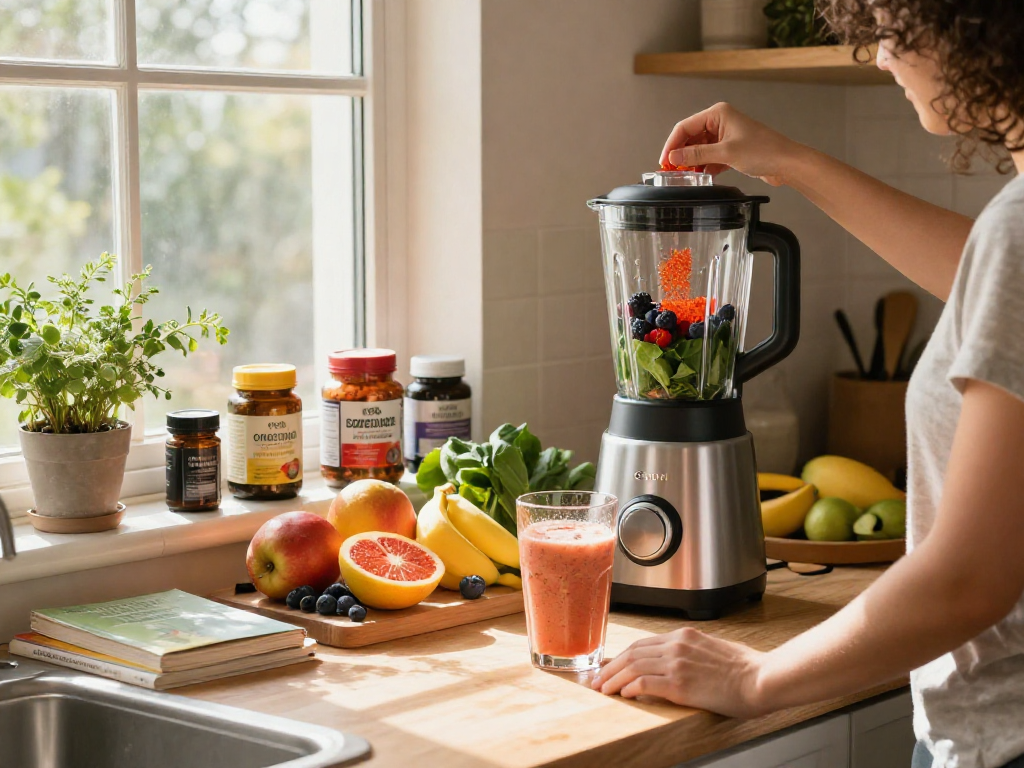
Understanding Natural Astaxanthin: Origins and Benefits
Natural astaxanthin is a powerful carotenoid that has garnered significant attention in the health and wellness industry due to its remarkable properties. This potent antioxidant is derived primarily from microalgae, particularly Haematococcus pluvialis, and is best known for its vibrant red-orange color, which is responsible for the pigmentation in various seafood such as salmon, shrimp, and lobster. As more individuals look to enhance their health through natural supplements, understanding the origins and benefits of natural astaxanthin becomes essential for making informed choices.
What is Natural Astaxanthin?
Natural astaxanthin is a carotenoid that functions similarly to other antioxidants, but with some unique benefits. Unlike many antioxidants that are readily available in our diets, astaxanthin stands out due to its ability to cross the blood-brain barrier and its higher potency in scavenging free radicals. This compound not only protects cells from oxidative stress but also supports various physiological functions, making it an essential part of a balanced diet.
Health Benefits of Natural Astaxanthin
Research indicates that natural astaxanthin offers numerous health benefits:
- Anti-inflammatory properties: It reduces inflammation, which is linked to various chronic diseases.
- Eye health: Astaxanthin can help protect the eyes from conditions such as macular degeneration and cataracts.
- Cardiovascular health: It supports heart health by improving blood lipid profiles and lowering blood pressure.
- Skin protection: Astaxanthin protects the skin from UV radiation and supports overall skin health.
- Enhanced athletic performance: It may improve endurance and recovery for athletes by reducing muscle soreness.
Sources of Natural Astaxanthin
Natural astaxanthin is primarily sourced from marine organisms and certain algae. Key sources include:
- Microalgae:Haematococcus pluvialis is renowned for its high astaxanthin content.
- Seafood: Salmon, trout, krill, and shrimp are rich in astaxanthin due to their diet of algae.
- Supplement forms: Astaxanthin is available in capsules and liquid forms, allowing for easy incorporation into diets.
Incorporating Natural Astaxanthin into Your Diet
Foods Rich in Natural Astaxanthin
To harness the benefits of natural astaxanthin, incorporating specific foods into your diet is key:
- Salmon: A well-known source, rich in omega-3 fatty acids and astaxanthin.
- Shrimp: Provides a delicious way to increase astaxanthin intake.
- Red bell peppers: While lesser known for astaxanthin, they still contribute to overall carotenoid intake.
Supplement Options: Choosing Wisely
When selecting astaxanthin supplements, consider the following:
- Check for quality: Look for brands that offer third-party testing for purity and potency.
- Form: Opt for soft gels or liquid forms that may enhance absorption.
- Dosage: A standard daily dosage typically ranges from 4 to 12 mg, but it's best to consult a healthcare provider.
Creative Recipes Featuring Natural Astaxanthin
Incorporating astaxanthin-rich foods into your meals can be both nutritious and enjoyable. Here are some recipes that highlight these ingredients:
- Grilled Salmon with Avocado Salsa: Combine grilled salmon with a fresh avocado salsa for a delicious, healthy meal.
- Shrimp Stir-fry: Use shrimp alongside colorful vegetables for a quick, flavorful dish.
- Bell Pepper and Quinoa Salad: Toss cooked quinoa with roasted red bell peppers and a lemon vinaigrette for a refreshing side.
Natural Astaxanthin and its Role in Health and Wellness
Natural Astaxanthin for Skin Health
Research suggests that natural astaxanthin can significantly benefit skin health. By combating oxidative stress, it protects against UV damage, reduction in skin elasticity, and premature aging. Users often report a noticeable improvement in skin moisture, texture, and overall appearance.
Antioxidant Properties of Natural Astaxanthin
As one of the most potent antioxidants available, astaxanthin excels in neutralizing free radicals more efficiently than vitamin C or E. This antioxidant activity is crucial for preventing cellular damage and maintaining optimal health.
Impact on Athletic Performance and Recovery
A growing body of evidence suggests that natural astaxanthin can enhance athletic performance. It is believed to improve endurance by increasing ATP production, which can help athletes sustain longer periods of exertion. Moreover, it aids in recovery by reducing muscle soreness post-exercise.
Best Practices for Maximizing Natural Astaxanthin Intake
Meal Timing and Preparation Tips
To optimize the benefits of astaxanthin, consider meal timing and preparation techniques. Pairing astaxanthin-rich foods with healthy fats can improve absorption, as it is a fat-soluble nutrient. For example, an omega-3-rich salmon dish drizzled with olive oil can enhance the bioavailability of astaxanthin.
Maximizing Absorption of Natural Astaxanthin
Enhance absorption by consuming astaxanthin with other nutrients, such as omega-3 fatty acids and vitamin E, which can create a synergistic effect. It’s also beneficial to consume it in conjunction with meals rather than on an empty stomach.
Common Myths and Misconceptions
Despite the growing popularity of astaxanthin, several myths persist:
- Myth: All antioxidants are the same. Reality: Different antioxidants have unique properties and effects on the body.
- Myth: Astaxanthin only benefits athletes. Reality: While beneficial for athletes, astaxanthin offers health improvements for everyone.
Future Trends and Research in Natural Astaxanthin
Upcoming Studies in the Field
As interest in natural astaxanthin continues to grow, research is expanding. Studies are exploring its potential impact on age-related diseases, cognitive function, and metabolic disorders, paving the way for more comprehensive health recommendations.
Emerging Products and Innovations
The supplement industry is witnessing innovative products that incorporate natural astaxanthin. From functional foods to infused beverages, these products aim to make the benefits of astaxanthin accessible and enjoyable for consumers.
Predictions for the Health Sector by 2026
By 2026, it’s anticipated that natural astaxanthin will become a staple in wellness regimens, with increased awareness of its health benefits leading to a rise in consumer demand. As manufacturers invest in research and product development, we can expect more targeted formulations and collaborations between health professionals and supplement brands.
What are the best natural sources of astaxanthin?
The best sources of natural astaxanthin include microalgae like Haematococcus pluvialis, along with seafood such as wild-caught salmon, krill, and shrimp. Incorporating more of these foods into your diet can help you enjoy the benefits of this antioxidant-rich nutrient.
How to choose astaxanthin supplements?
When selecting astaxanthin supplements, prioritize products that are third-party tested for purity, and optimal bioavailability, and are derived from natural sources rather than synthetic alternatives. A trusted brand will provide transparency regarding ingredient sourcing and manufacturing practices.
Can natural astaxanthin improve skin health?
Yes, natural astaxanthin can significantly improve skin health by enhancing skin hydration, elasticity, and overall appearance. Its powerful antioxidant properties help protect the skin from environmental damage and may reduce the effects of aging.
What is the recommended dosage for astaxanthin supplements?
The recommended dosage for astaxanthin supplements typically varies between 4 to 12 mg per day, depending on individual health goals and needs. Consulting with a healthcare provider for tailored advice is always recommended.
Are there any side effects of natural astaxanthin?
Natural astaxanthin is generally considered safe with few reported side effects. However, individuals may experience mild gastrointestinal discomfort or changes in skin pigmentation, particularly at high doses. Consulting with a healthcare professional is advised, especially for those with underlying health conditions.