Understanding the Biological Age Calculator
In today's fast-paced world, understanding our health has become essential. Among the various metrics to assess personal well-being, biological age stands out as a compelling indicator. Unlike chronological age, which simply counts the years since birth, biological age reflects the condition of our bodies, metabolism, and various biological markers. To delve into this concept, many individuals are turning to the biological age calculator, a tool designed to provide insights into one's true age. This article explores biological age in detail, guiding you through what it is, how calculators work, and their relevance to health and longevity.
What is Biological Age?
Biological age is a measure of an individual's physiological condition, which can be different from their chronological age. It is determined by various factors, including gene expression, lifestyle choices, and health status. Biological age can offer insights into how well your body is functioning. For instance, two individuals may be the same chronological age, but one may have a biological age that is significantly younger or older depending on their lifestyle habits, diet, and exercise regimen.
How Does the Biological Age Calculator Work?
The biological age calculator functions by analyzing various inputs related to your lifestyle and health. Typically, the user is prompted to provide information on:
- Physical measurements (height, weight, waist circumference)
- Biomarkers (cholesterol levels, blood pressure, and other laboratory test results)
- Lifestyle habits (diet, exercise, sleep patterns, and stress levels)
- Health conditions (chronic illnesses, medications, and family history)
Once this data is entered, the calculator applies algorithms that compare these factors with normative data. This scientific approach uses statistical methods to determine how these inputs correlate with biological processes within the body. The result is a personalized estimation of biological age.
The Importance of Knowing Your Biological Age
Understanding your biological age can lead to several advantages:
- Awareness: It provides clarity on how lifestyle choices impact overall health.
- Prevention: Knowing your biological age can encourage individuals to adopt healthier habits and seek preventative care.
- Motivation: For many, having a tangible measure can serve as motivation to pursue fitness goals and improvements in diet.
- Personalized Health Plans: Knowing your biological age allows healthcare providers to create more tailored health strategies.
Key Features of an Effective Biological Age Calculator
A biological age calculator should possess several key features to ensure it delivers accurate and actionable insights. Let’s explore these elements in detail.
User Inputs: What You Need to Provide
The quality of results from a biological age calculator highly depends on the inputs provided by the user. Accurate and comprehensive data submission is crucial. Moreover, the more variables the calculator considers, the more personalized the assessment will be. Here’s a breakdown of typical user input requirements:
- Demographic Information: Age, sex, height, and weight.
- Health Metrics: Results from recent blood tests including cholesterol levels, glucose, and other biomarkers.
- Lifestyle Factors: Information about diet, exercise frequency, sleep habits, and stress levels.
By providing complete and honest information, users can receive the most accurate biological age reading.
Data Analysis and Interpretation
Once the user inputs their information, the biological age calculator processes the data using complex algorithms. This stage of analysis often involves comparing the user's inputs with data from large populations, allowing for relative positioning. Factors influencing biological age may include:
- Genetics: Family history of diseases can significantly affect biological age.
- Lifestyle Choices: Smoking, alcohol consumption, and physical activity levels are influential.
- Stress Management: Chronic stress can accelerate aging effects.
- Nutrition: A well-balanced diet rich in nutrients can lower biological age.
The analysis results are often displayed in an accessible format, allowing users to understand what their biological age means and how it relates to overall health.
Output: Understanding Your Results
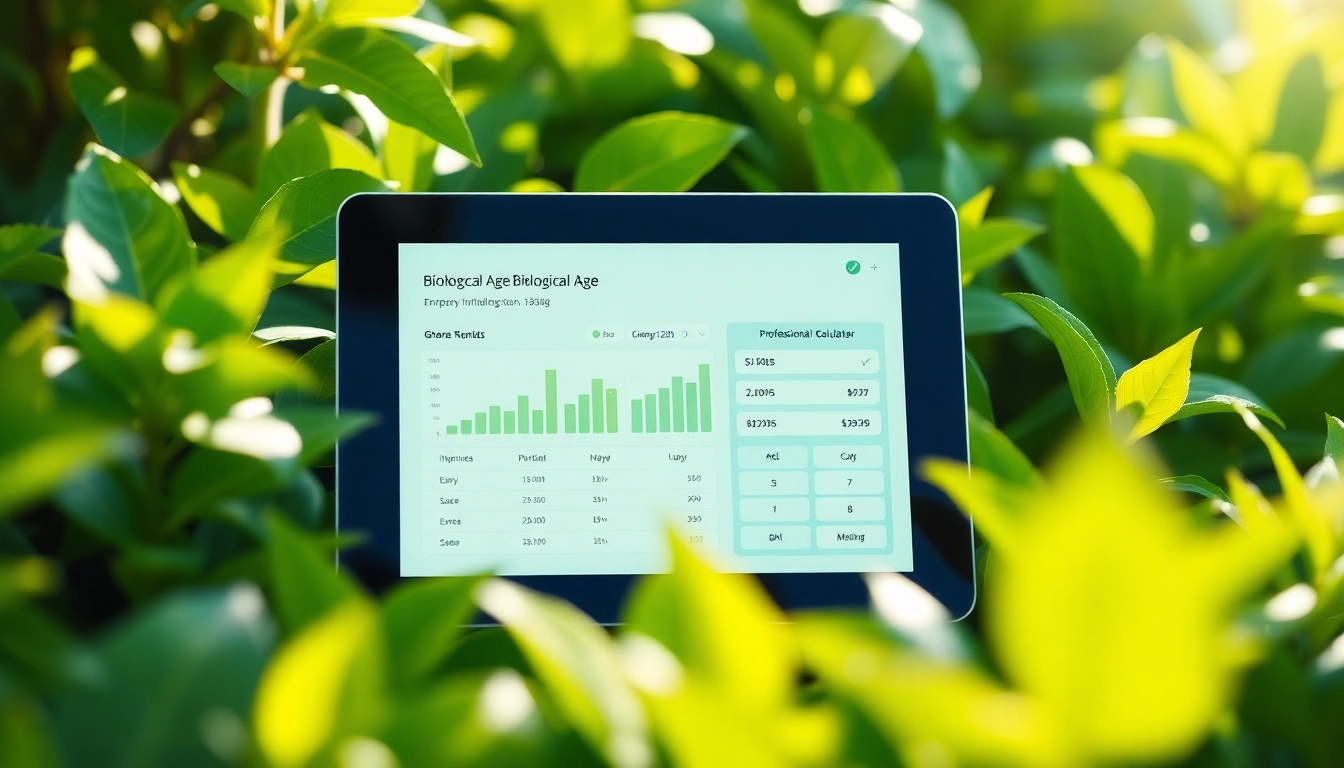
A well-designed biological age calculator provides users with a comprehensive report. This output should include the calculated biological age, comparisons to chronological age, and insights into the data used. Specifically, effective calculators will:
- Explain the calculated biological age in context.
- Offer comparisons between biological and chronological ages.
- Provide tailored recommendations for lifestyle changes based on the results.
- Highlight specific areas for improvement and potential health risks.
Clear and actionable outputs empower users to make informed decisions about their health journeys.
Comparing Biological Age to Chronological Age
Understanding the distinction between biological age and chronological age is essential for individuals aiming to improve their health and wellbeing. While chronological age is simply the number of years a person has lived, biological age reflects the physiological condition of their body.
The Difference Between Biological and Chronological Aging
Chronological age is straightforward; it marks the passage of time. However, biological age serves as a more nuanced indicator of health status. For example, an individual who leads a healthy lifestyle may have a biological age significantly younger than their chronological age, while someone neglecting their health could exhibit signs of accelerated aging. This discrepancy can arise from:
- Genetic Predispositions: Inherited risk factors may lead to age-related diseases.
- Environmental Influences: Pollution and exposure to toxins can hasten physiological decline.
- Health Behaviors: Unhealthy lifestyles, such as poor diet and inactivity, can increase biological age.
Implications for Health and Wellness
Understanding the implications of your biological age compared to your chronological age can have a profound impact on your health. For instance, if your biological age is significantly older than your chronological age, it may signal the need for immediate lifestyle adjustments. This knowledge can lead to:
- Stronger motivation to engage in healthy practices.
- Better management of existing health conditions.
- Proactive approaches in seeking preventive care.
Conversely, if your biological age is younger, it serves as positive encouragement to maintain healthy habits.
Aging and Lifestyle: Factors That Influence Your Age
Numerous factors contribute to the aging process and how quickly or slowly it progresses. Understanding these factors can empower individuals to make informed lifestyle choices that potentially reduce their biological age.
- Physical Activity: Regular exercise is critical for maintaining strength, flexibility, and optimal metabolic function.
- Nutritional Choices: Consuming a diet rich in fruits, vegetables, whole grains, and lean proteins enhances health at the cellular level.
- Mental Health: Emotional and mental well-being is integral to overall health, contributing to lower biological age.
- Sleeп Quality: Adequate sleep is essential for recovery and bodily processes, impacting hormone levels and aging.
Fostering healthier choices in these areas can potentially improve one's biological age significantly.
Taking Action After Your Biological Age Calculation
After understanding one's biological age, it is crucial to take actionable steps toward improving overall health. Here’s how individuals can make the most of their biological age results.
Steps to Improve Your Biological Age
Utilizing the insights gained from a biological age calculator is essential for fostering long-term well-being. Here are steps one can adopt:
- Set Realistic Goals: Identify attainable health targets based on your biological age assessment.
- Develop a Healthy Routine: Create a balanced routine that incorporates nutrition, exercise, and mental wellness.
- Regularly Track Progress: Continually monitor biological age and health metrics to assess the effectiveness of lifestyle changes.
- Stay Educated: Keep informed about advancements in health research related to aging.
Resources and Tools for Health Improvement
In addition to using a biological age calculator, various tools and resources can enhance health and well-being:
- Fitness Trackers: Devices that monitor physical activity and provide feedback can be motivational.
- Nutritional Apps: Applications that track food intake can help ensure balanced diets.
- Mental Health Resources: Online counseling and mindfulness apps can significantly aid in managing stress.
- Health Publications: Books and journals focused on health and aging offer valuable insights and strategies.
Seeking Professional Advice: When and Why
While self-assessment tools are invaluable, some situations necessitate professional guidance. Consulting healthcare professionals should be a priority when:
- You have significant health concerns that require intervention.
- Your biological age indicates risk factors for chronic diseases.
- You seek personalized fitness or nutrition plans tailored to your unique circumstances.
Healthcare professionals can provide tailored strategies and insights grounded in medical expertise.
Future Trends in Aging Science and Calculation
The field of aging science continues to evolve, driven by new research, technology, and an increased understanding of biological processes. Here are some anticipated trends impacting biological age assessments.
The Advancement of Biological Age Calculators
With continuous advancements in technology, biological age calculators are becoming more sophisticated. Future iterations may utilize:
- Machine Learning: Algorithms that adapt and improve over time based on new data inputs.
- Genomic Data: Incorporating genetic testing results to provide a more precise biological age estimate.
- Holistic Assessments: Expanding beyond physical metrics to include emotional and mental health assessments.
These enhancements will likely yield even deeper insights into the aging process and overall health.
Integration of Technology and Personalized Health
The rise of wearable technology and health apps is paving the way for a more individualized approach to health management. Users will increasingly have access to real-time data about their biological markers, lifestyle habits, and fitness levels, leading to more informed health decisions and personalized interventions.
Potential Impacts on Healthcare and Lifestyle Choices
The ongoing refinement of biological age assessments can potentially reshape healthcare delivery in the future. With an increased focus on prevention, patients may work more collaboratively with healthcare providers, prioritizing lifestyle changes that can reduce biological age and enhance longevity. A proactive approach to health—anchored in the insights from tools like the biological age calculator—could lead to a more vibrant and longer life.