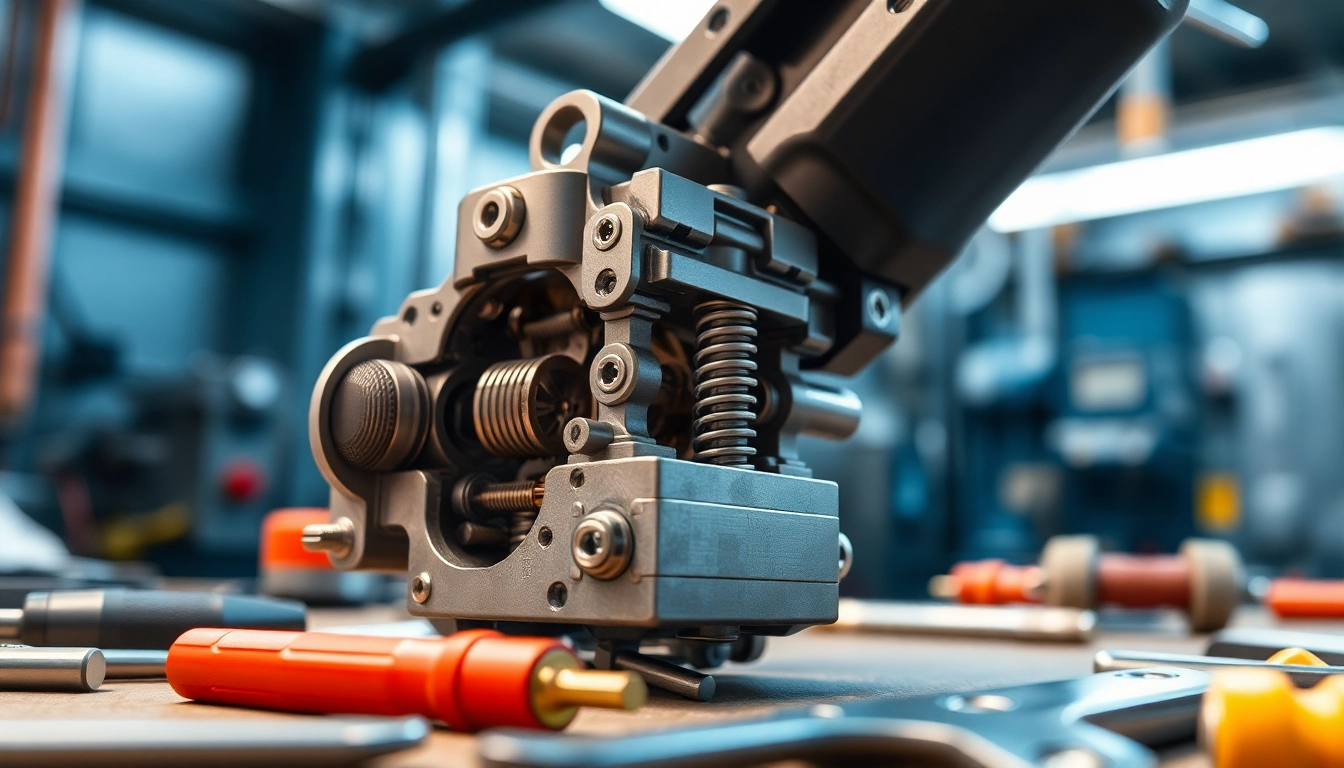
What is a Forced Reset Trigger?
Definition and Functionality
A Forced reset trigger is a specialized trigger mechanism designed to enhance the firing speed of a firearm by automatically resetting the trigger after each shot is fired. Unlike traditional triggers, where the shooter must release and pull the trigger to fire again, a forced reset trigger allows a shooter to maintain a continuous firing sequence with minimal interruption. This is particularly beneficial in situations requiring rapid fire, such as competitive shooting or tactical scenarios.
Key Components of Forced Reset Trigger
The functionality of a forced reset trigger relies on several key components:
- Trigger Blade: The part of the trigger that the shooter interacts with, designed ergonomically for quick activation.
- Reset Mechanism: This critical component automatically resets the trigger after firing, readying it for the next shot without needing a complete release.
- Disconnector: This ensures that the firearm does not fire unless the trigger blade is engaged correctly, enhancing safety.
- Cock-in Mechanism: Many designs employ a mechanism to prepare the trigger for firing upon reset, ensuring rapid readiness.
Comparison with Regular Triggers
Regular triggers typically require a full release after each shot, which can slow down the firing rate. This contrasts sharply with forced reset triggers that maintain a firing cadence without the need for complete release. As a result, the latter provides greater control over shooting speed and minimizes the time between shots, which is crucial for competitive shooters aiming for precision and performance.
Advantages of Using a Forced Reset Trigger
Enhancing Shooting Accuracy
One of the primary benefits of a forced reset trigger is the improvement in shooting accuracy. With a faster reset time, shooters can keep their sights on the target between shots, reducing the likelihood of missing due to delays. The immediate readiness of the trigger allows for more consistent precision when firing in quick succession, essential in both practice and competitive environments.
Improving Trigger Response Time
Another advantage is the reduced trigger response time. Traditional triggers can introduce latency, as shooters need to fully release and then pull the trigger again, which can be particularly challenging during rapid fire. The forced reset mechanism minimizes this delay, enabling quicker follow-up shots and enhancing overall shooting performance.
Benefits for Competitive Shooters
For competitive shooters, the advantages of using a forced reset trigger are substantial. The ability to achieve faster shot recovery not only improves score but also provides a strategic edge in timed events. Many competitive shooting sports penalize for slower responses, making these triggers a popular choice among top competitors who aim to maximize their performance and potential scoring.
Installation Process for Forced Reset Trigger
Tools Needed for Installation
Before beginning the installation of a forced reset trigger, ensure you have the following tools at hand:
- Armorer's wrench (depending on the firearm type)
- Flathead and Phillips screwdrivers
- Bench vise (optional but helpful)
- Gun oil for lubrication
- Cleaning cloth to wipe down parts
Step-by-Step Installation Guide
The installation process can be straightforward, provided attention to detail is prioritized:
- Safety First: Ensure the firearm is unloaded and safe to work on.
- Remove the Existing Trigger: Use the appropriate tools to take out the current trigger assembly.
- Install the Forced Reset Trigger: Follow the product instructions for inserting the new trigger into the designated slot, paying close attention to the reset mechanism placement.
- Align and Secure: Make sure all components are correctly aligned. Secure the trigger assembly back into the firearm frame.
- Lubricate: Apply gun oil to moving parts to ensure smooth operation.
- Test Functionality: Before final assembly, ensure the trigger functions correctly without any hindrance. Conduct live fire tests in a controlled environment if possible.
Common Installation Challenges
While installation is generally user-friendly, certain challenges may arise:
- Alignment Issues: Misalignment of parts can lead to malfunction. Double-check alignment during installation.
- Improper Fit: If the trigger doesn't fit smoothly in the firearm, reassess the assembly and connections.
- Difficulty with Reset Mechanism: Be cautious in handling the reset mechanism, as improper installation can lead to a failure to reset. Consult the manual for specific guidance on this component.
Maintenance Tips for Forced Reset Trigger
Routine Inspection and Cleaning
Regular inspection and cleaning are vital to ensure the forced reset trigger operates optimally. Periodically disassemble the trigger to check for dirt, wear, or potential obstructions. Use gun cleaner and a soft brush to clean all components thoroughly, removing residue that may affect performance.
When to Replace Components
It’s important to keep an eye on wear and tear. If you notice excessive play or difficulty in resetting, consider replacing components such as the disconnector or the reset mechanism. A proactive approach will help maintain shooting efficiency and safety clearance.
Best Practices for Longevity
To prolong the lifespan of the forced reset trigger:
- Always store your firearm in a dry environment to avoid rust and corrosion.
- Regularly apply lubricant to maintain smooth operation, but avoid over-lubrication which can attract dust and dirt.
- Keep all moving parts free from debris and clean after every use, especially after shooting in challenging environments.
Frequently Asked Questions about Forced Reset Trigger
What is the main purpose of a Forced Reset Trigger?
A Forced Reset Trigger allows for faster shot recovery and improved shooting cadence by resetting automatically after firing.
Is installation of Forced Reset Trigger difficult?
Installation is straightforward with basic tools, but following a guided process is crucial to ensure proper function and safety.
Can a Forced Reset Trigger be used in competitions?
Yes, many competitive shooters use Forced Reset Triggers to gain a speed advantage, but always check the rules of your specific sport.
How does a Forced Reset Trigger improve accuracy?
It enhances accuracy by reducing the time between shots, allowing shooters to stay on target more effectively during rapid fire.
Are there any legal restrictions on Forced Reset Triggers?
Regulations regarding Forced Reset Triggers vary by location, so it’s essential to understand the local laws before purchase or installation.