Understanding the Benefits of Shower Sliding Doors
When it comes to bathroom design, functionality and aesthetics are paramount. Shower sliding doors have become an essential feature in modern bathrooms, offering a myriad of benefits that enhance both the usability and visual appeal of the space. This article delves into the numerous advantages of shower sliding doors, focusing on their space efficiency, accessibility, and style upgrades.
Space Efficiency and Design Flexibility
One of the most notable advantages of shower sliding doors is their space-saving design. Unlike traditional hinged doors that swing outward or inward, shower sliding doors glide open and shut, requiring minimal floor space. This characteristic makes them ideal for small bathrooms or tight spaces where every inch counts. Their design can also be tailored to fit various configurations, offering flexibility in layout and accommodating different styles of bathtub or shower setups.
Enhanced Accessibility for All Users
Shower sliding doors provide improved accessibility for individuals of all abilities. Unlike hinged doors that may be difficult to maneuver for those with mobility challenges, sliding doors can be opened effortlessly. This ease of access greatly enhances the overall user experience, making showers more inviting and reducing the risk of falls or accidents for those who may struggle with traditional doors.
Style and Aesthetic Upgrades
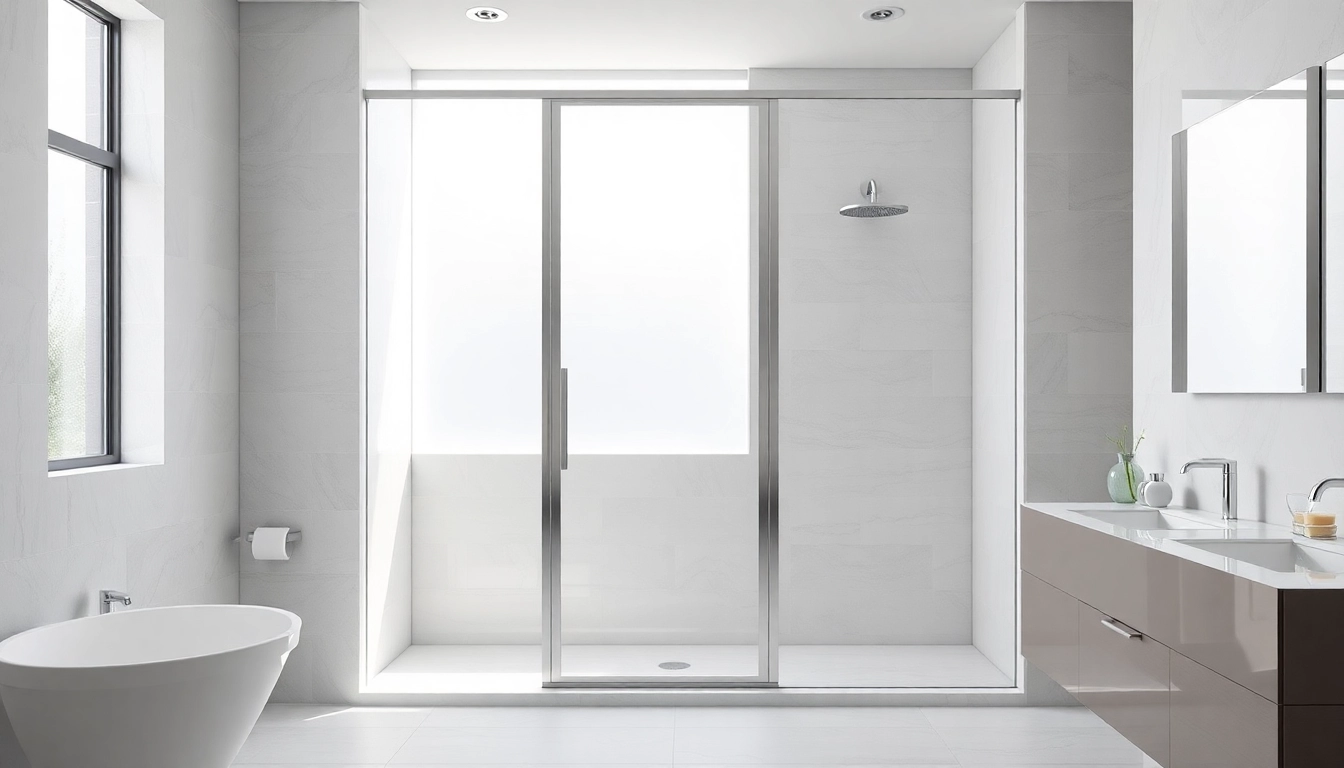
Beyond functionality, shower sliding doors are a stylish addition to bathrooms, contributing to a modern and cohesive aesthetic. Available in various materials, finishes, and designs, these doors can complement any bathroom decor, whether it’s contemporary, minimalist, or traditional. With options such as frameless designs that provide a seamless look or intricate patterns etched into the glass, there are versatile choices to suit every taste and preference.
Materials Used for Shower Sliding Doors
The quality of materials used in shower sliding doors is crucial for longevity and beauty. Understanding the different materials available can help homeowners select the best option for their bathrooms. Here, we explore commonly used materials and their properties to guide your decision-making.
Glass Options: Tempered vs. Laminated
When it comes to glass, two primary types are commonly used for shower sliding doors: tempered and laminated glass. Tempered glass is known for its strength and resistance to thermal stress, making it a safe choice for shower environments. If broken, it shatters into small, blunt pieces rather than sharp shards, reducing the risk of injury. Laminated glass, on the other hand, consists of two layers bonded together with a plastic interlayer, offering enhanced sound insulation and UV protection. While both options provide safety, tempered glass is the preferred choice for its durability in high-moisture areas.
Frame Types: Aluminum vs. PVC
The frame of shower sliding doors can significantly affect both aesthetics and functionality. Aluminum frames are lightweight, corrosion-resistant, and available in various finishes, making them a popular choice. They offer a sleek, modern look while remaining sturdy and easy to maintain. PVC frames, however, provide a cost-effective option that is also resistant to water damage and mold. While PVC may lack the sleek look of aluminum, it can be an excellent choice for budget-conscious homeowners. The decision often comes down to balancing aesthetics with practicality.
Durability and Maintenance Requirements
Durability is a critical factor in the longevity of shower sliding doors. Glass thickness plays a role here; thicker glass typically provides better durability and insulation. Maintenance requirements can vary based on the materials used. Tempered glass is generally easy to keep clean with standard glass cleaner, while frames may require specific attention to prevent rust or mildew. Regular care, including checking seals and tracks for wear and tear, ensures that shower sliding doors remain functional and visually appealing.
Installation Tips for Shower Sliding Doors
Installing shower sliding doors can seem daunting, but with proper preparation and guidance, it can be a manageable DIY project. This section outlines essential steps and tips for ensuring a successful installation.
Preparation and Measurements
Before diving into installation, accurate measurements are critical. Measure the width and height of the shower opening, ensuring that you account for any fixtures or fittings that may impact the door’s placement. Additionally, assess the condition of existing surfaces, ensuring that they are clean and level, as this will impact the overall finish and function of the doors.
Step-by-Step Installation Guide
1. Gather your tools, which typically include a level, measuring tape, screwdrivers, and a drill.
2. Start by installing the bottom track, ensuring it is level and properly anchored to the surface.
3. Next, position the side panels by inserting them into the track, making sure they are securely fitted.
4. Once the side panels are in place, install the top track following the manufacturer’s instructions.
5. Finally, hang the sliding door panels onto the top track and test their movement before securing the door guides and seals. Regularly check for alignment and make adjustments as necessary.
Common Installation Pitfalls to Avoid
Proper installation can be hampered by common mistakes. One of the most frequent issues arises from incorrect measurements; ensure to measure twice before cutting or installing. Another potential pitfall is the failure to ensure the tracks are level, which could cause the doors to slide improperly. Lastly, neglecting to read the manufacturer’s instructions can lead to complications down the line, so always adhere to guidelines.
How to Choose the Right Shower Sliding Doors
Selecting the right shower sliding doors involves thoughtful consideration of various factors. This section offers insights into making an informed choice based on your bathroom’s specifics.
Consider Your Bathroom Size and Layout
Your bathroom’s size and layout are crucial when choosing shower sliding doors. For smaller bathrooms, opt for streamlined designs that maximize space without sacrificing style. In larger bathrooms, you can afford to be more creative with design choices, including elaborate frames or custom shapes that add a unique touch to the space.
Matching Designs with Decor Style
The design of your shower sliding doors should harmonize with your existing bathroom decor. For modern aesthetics, consider frameless designs with sleek lines. If your bathroom leans more towards traditional or rustic styles, look for decorative frames that enhance the overall ambiance. Coordinating finishes with other fixtures, such as faucets and towel racks, creates a cohesive look.
Budgeting and Cost Considerations
Costs for shower sliding doors can vary significantly based on materials, design complexity, and brand. On average, homeowners can expect to spend anywhere from $300 to $1,500, depending on these factors. It’s essential to establish a budget early on and select doors that not only fit your price range but also meet your desired quality and aesthetic expectations.
FAQs about Shower Sliding Doors
What are the advantages of shower sliding doors?
Shower sliding doors save space, enhance accessibility, and add a modern aesthetic to your bathroom.
How do I maintain shower sliding doors?
Regular cleaning and checking for wear on seals and tracks can prolong the life of shower sliding doors.
Can I install shower sliding doors myself?
Yes, but ensuring accurate measurements and following instructions is essential for a proper fit.
What is the average cost of shower sliding doors?
Prices vary based on size, materials, and features, typically ranging from $300 to $1,500.
Are shower sliding doors suitable for small bathrooms?
Yes, their design maximizes space and can make small bathrooms feel larger and more open.