Understanding Hydraulic Cylinder Repair Basics
What Is Hydraulic Cylinder Repair?
Hydraulic cylinder repair is the process of restoring the functionality of hydraulic cylinders that have experienced wear or damage. This may involve disassembling the cylinder, replacing seals and other components, and reassembling it to restore its original performance. Hydraulic cylinders are crucial in various machines, powering tasks from lifting to pressing and more. Understanding how and when to perform repairs on these components is vital to maintaining operational efficiency.
Why Is Repair Necessary?
Hydraulic cylinder repair is essential for several reasons. When a hydraulic cylinder fails or malfunctions, it can lead to reduced performance in machinery, causing downtime and financial loss. Repairs can prolong the life of equipment, reduce replacement costs, and prevent catastrophic failures. Regular maintenance and prompt repairs can also improve safety by reducing the risk of leaks or pressure drops that could lead to accidents.
Common Issues with Hydraulic Cylinders
Several common issues can arise with hydraulic cylinders, including:
- Seal Leaks: Over time, seals can wear out or become damaged, leading to hydraulic fluid leaks.
- Pitting and Scoring: The cylinder barrel can develop pitting or scoring from contaminants in the hydraulic fluid.
- Rod Damage: The rod may experience wear or corrosion, affecting its sealing ability.
- Contaminated Fluid: Contaminants can cause wear and damage to internal components, leading to ineffective operation.
Steps to Diagnose Hydraulic Cylinder Problems
Visual Inspection Methods
The first step in diagnosing a hydraulic cylinder problem is conducting a visual inspection. Look for signs of external leakage, corrosion, or mechanical wear. Inspect the rod for scratches or dents and check the cylinder housing for any signs of damage.
Testing Hydraulic Cylinder Components
After a visual inspection, you may conduct tests on various cylinder components to assess their functionality. This includes pressure testing, checking for smooth operation during extension and retraction, and monitoring fluid levels for unusual drops. A declining performance in these tests often indicates underlying issues.
Identifying Common Failures
Common failures in hydraulic cylinders typically arise from inadequate maintenance, improper installation, or using contaminated fluids. Identifying these failures often requires looking for specific symptoms, such as a decreased lifting capacity or the presence of hydraulic fluid in unexpected areas. Understanding these symptoms can help narrow down the root cause of the malfunction.
Essential Tools for Hydraulic Cylinder Repair
Must-Have Repair Tools
When preparing for hydraulic cylinder repair, certain tools are essential. These include:
- Wrenches: Used for loosening and tightening bolts and fittings.
- Seal Kits: Necessary for replacing worn or damaged seals.
- Piston Ring Tools: Helpful for correctly installing piston rings during assembly.
- Gland Spanner Wrench: Used for disassembling threaded glands.
- Calipers: For measuring critical dimensions and ensuring correct replacement parts.
Safety Equipment for Repairs
Safety is paramount when performing hydraulic cylinder repairs. Necessary safety equipment includes gloves, safety goggles, and hydraulic fluid-resistant clothing. Using personal protective equipment (PPE) helps to safeguard against potential hazards such as fluid sprays and sharp components.
Advanced Diagnostic Equipment
Advanced diagnostic equipment can enhance the repair process significantly. Tools such as hydraulic pressure gauges help monitor the performance of the cylinder, while electronic leak detection systems can identify minute leaks that are difficult to spot visually. Investing in these tools can save time and improve the reliability of the diagnostics.
Step-by-Step Hydraulic Cylinder Repair Process
Disassembling the Cylinder
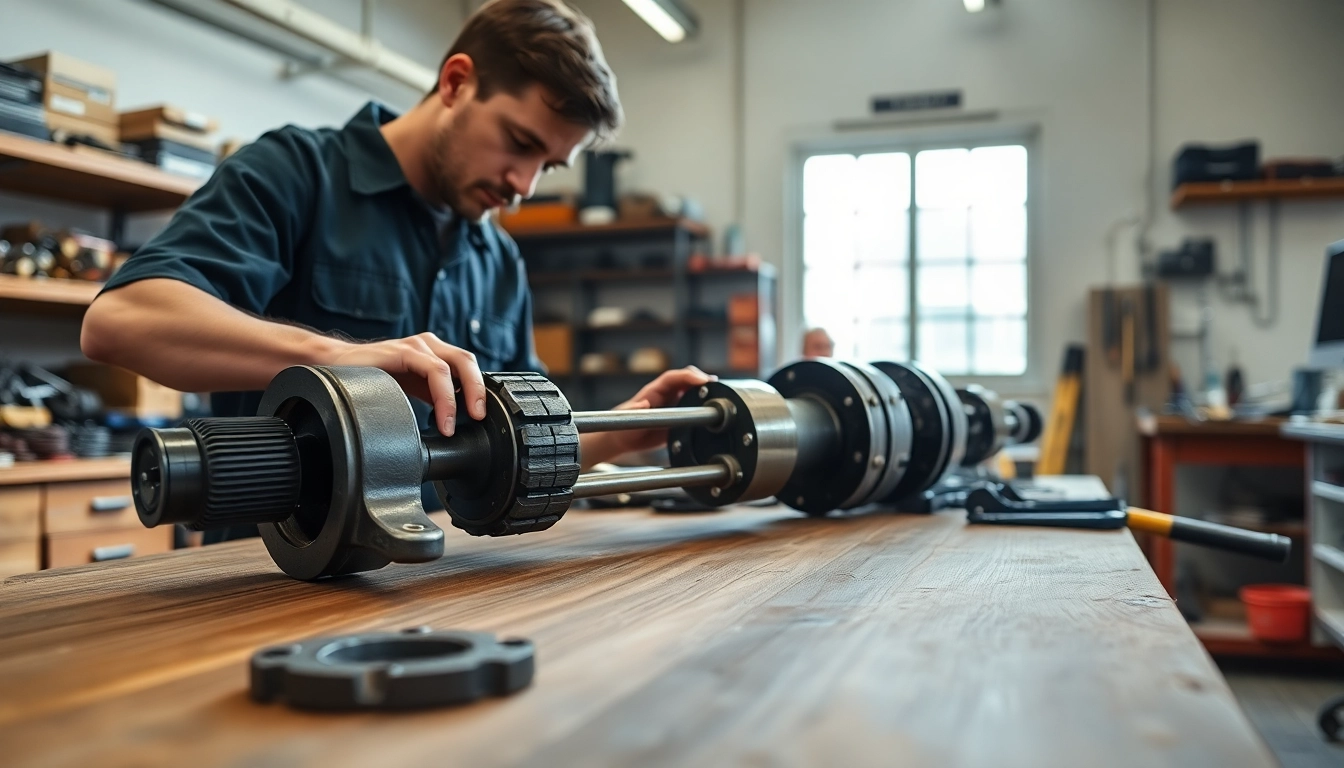
The disassembly process begins with ensuring that the cylinder is removed from the machinery safely. Always disconnect hoses and drain hydraulic fluid before commencing repairs. Start by loosening the end caps and carefully removing the rod and piston, taking care to note the assembly sequence for reassembly.
Replacing Seals and Components
Once the cylinder is disassembled, inspect all components for wear or damage. Replace seals, O-rings, and any other components that show signs of wear. Ensure that all surfaces are clean, and lubricate new seals before installation to prevent damage during assembly.
Reassembling and Testing the Cylinder
With all components replaced, reassemble the hydraulic cylinder in the reverse order of disassembly. Ensure that all bolts are tightened to the manufacturer’s specifications. After reassembly, conduct pressure tests to confirm that the cylinder performs as expected without leaks. Monitoring the performance after installation is also crucial to check for any irregularities.
Preventive Maintenance for Hydraulic Cylinders
Routine Inspection and Servicing
Routine inspections are vital for identifying potential issues before they escalate into significant problems. Schedule regular maintenance checks to inspect seals, hoses, and the condition of hydraulic fluid. Keeping detailed service records can also help track performance over time and identify patterns that may indicate the need for repairs.
Best Practices for Longevity
To prolong the life of hydraulic cylinders, follow these best practices:
- Use Quality Fluids: Always use the recommended hydraulic fluid to reduce wear on internal components.
- Install Filters: Use hydraulic fluid filters to prevent contaminants from entering the system.
- Avoid Overloading: Ensure the hydraulic system is not overloaded, as this can cause excessive stress on components.
- Temperature Monitoring: Monitor fluid temperature to avoid overheating, which can lead to seal breakdown.
Cost Factors and Saving Tips
The cost of hydraulic cylinder repair can vary based on several factors, including the extent of damage, required parts, and labor costs. Investing in preventive maintenance can significantly reduce long-term costs. Additionally, training staff on basic troubleshooting and maintenance can prevent small issues from escalating into costly repairs.
FAQs About Hydraulic Cylinder Repair
1. How often should hydraulic cylinders be serviced?
Hydraulic cylinders should be routinely inspected at least once every six months. More frequent checks may be necessary in high-use applications to catch issues early.
2. What causes hydraulic cylinder seal failure?
Seal failure can be due to various factors, including contaminants in the hydraulic fluid, excessive pressure, extreme temperatures, and improper installation.
3. Is it better to repair or replace a hydraulic cylinder?
Deciding whether to repair or replace a hydraulic cylinder depends on the extent of the damage and the cost associated with each option. Minor repairs are often more cost-effective.
4. Can I perform hydraulic cylinder repairs myself?
If you have the necessary tools and knowledge, you can perform basic repairs. However, complex repairs are best left to professionals to ensure safety and proper functionality.
5. What are the signs that my hydraulic cylinder needs repair?
Signs include leaking fluid, reduced lifting ability, unusual noises, and visible damage on the cylinder or rod. Immediate inspection is recommended when these symptoms appear.
Contact Information
Call Us: 1 780-452-2876
Email: [email protected]
Address: 13111 159 St NW, Edmonton, AB, Canada, T5V 1H6