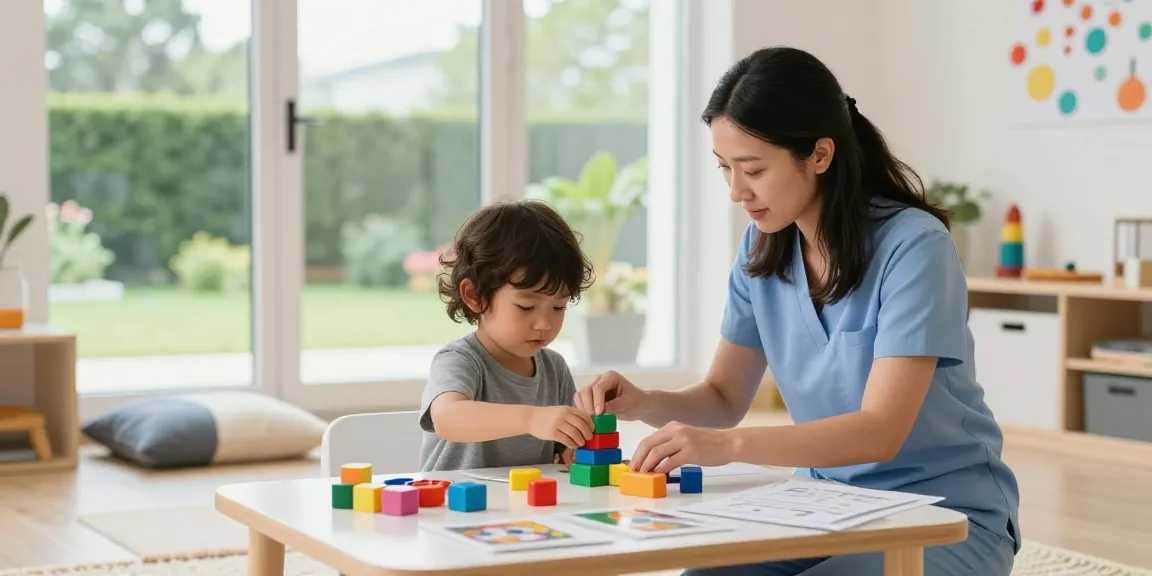
Understanding Occupational Therapy for Children
Occupational therapy (OT) is a vital service for children facing a variety of developmental challenges, helping them engage in daily activities, from dressing to social interactions. By focusing on the needs and strengths of each child, occupational therapists utilize targeted strategies to promote independence and enhance the quality of life for children and their families. At Advantage Therapy, we are dedicated to occupational therapy helping children thrive in their everyday tasks and interactions.
What is Occupational Therapy?
Occupational therapy is a client-centered health profession that aims to improve the individual’s ability to perform everyday activities. For children, this often means building skills necessary for academic success and social interactions, as well as enhancing their physical abilities. OT is not merely about rehabilitation but about fostering development and empowering children to achieve their goals.
The Role of Occupational Therapists
Occupational therapists work with children to assess their skills, challenges, and the environmental factors affecting their performance. This assessment becomes the basis of a personalized intervention plan. They focus on several areas, including:
- Motor skills development
- Sensory processing
- Social skills enhancement
By employing evidence-based practices, occupational therapists create a supportive and engaging environment that encourages children to explore and learn at their own pace.
Benefits of Pediatric Occupational Therapy
Pediatric occupational therapy provides numerous benefits, including:
- Improved Motor Skills: Enhancing fine and gross motor skills can help children participate more fully in academic and recreational activities.
- Better Sensory Processing: Children learn to effectively process sensory information, which can reduce anxiety and enhance their ability to navigate various environments.
- Social Skills Development: Engaging in structured social skills training helps children interact more positively with their peers.
How Occupational Therapy Helps Children Thrive
Occupational therapy employs various strategies to ensure children can develop essential skills needed for independence and success in personal, educational, and social realms. Here’s a closer look at how OT specifically supports children’s development.
Motor Skills Development Strategies
Development of motor skills is fundamental for children. Occupational therapists use play-based activities to promote the following:
- Fine Motor Skills: Activities like arts and crafts, puzzles, and playing musical instruments are effective in developing hand-eye coordination and dexterity.
- Gross Motor Skills: Engaging in games that require jumping, running, or climbing helps enhance balance, coordination, and overall physical fitness.
Enhancing Sensory Processing Capabilities
Many children experience sensory processing issues that can interfere with their daily functions. Occupational therapy can help by:
- Creating Sensory Diets: These tailored activities are designed to meet each child’s sensory needs, helping them to manage their reactions to sensory input.
- Utilizing Sensory Integration Techniques: Activities that encourage sensory exploration can help children learn to adapt and respond appropriately to various stimuli.
Improving Social Skills Through Therapy
Social engagement is crucial for child development. Through structured play and group activities, occupational therapists help children enhance their social skills by:
- Teaching Communication Techniques: This includes verbal and non-verbal communication skills essential for interacting with peers and adults.
- Practicing Emotional Regulation: Helping children understand their emotions and those of others leads to improved relationships and social interactions.
Personalized Approach to Therapy
At Advantage Therapy, we believe in a personalized approach to occupational therapy, ensuring that interventions are tailored to each child’s unique needs and circumstances. Our comprehensive process includes:
Initial Consultation and Assessment Process
The journey begins with an initial consultation, where parents and therapists discuss the child’s strengths and challenges. This session includes an assessment to evaluate the child’s skills and needs.
Setting Goals Together With Families
Setting measurable, collaborative goals helps keep both parents and therapists on the same page. This partnership enhances motivation and accountability, making the therapeutic process more effective.
Creating Tailored Treatment Plans
Based on the assessment and family input, occupational therapists develop individualized treatment plans that outline specific goals, activities, and timelines. This ensures that each session is purpose-driven and aligned with the child’s development needs.
Engagement in Therapy Sessions
Effective engagement in therapy sessions is critical for achieving positive outcomes. Our occupational therapy services are designed to maximize fun while focusing on developmental goals.
Designing Fun and Effective Activities
Occupational therapists utilize a variety of engaging activities that not only address individual challenges but also foster a love for learning and exploration. These activities can include:
- Art projects that develop fine motor skills
- Team games that promote social skills
- Movement-based activities to enhance gross motor skills
Monitoring Progress and Adjusting Plans
Regular progress checks ensure that therapy remains aligned with the child’s evolving needs. Adjustments to the treatment plan based on the child’s responses and achievements are made to optimize outcomes continually.
Transitioning to Independent Skills
As children achieve their therapy goals, occupational therapists guide them through the transition to independence. This may involve teaching self-care routines or strategies to manage tasks independently, ensuring they are prepared for everyday challenges.
Frequently Asked Questions About Occupational Therapy
What types of challenges can occupational therapy address?
Occupational therapy is effective for a wide range of challenges, including developmental delays, sensory processing issues, and social skill deficits.
How long does occupational therapy typically last for children?
The duration varies depending on the child’s individual needs, the severity of their challenges, and their progress. Many children may attend therapy for several months to a few years.
What can parents expect during therapy sessions?
Parents can expect therapy sessions to be engaging and tailored to their child’s interests and needs, focusing on achieving specific developmental goals.
How can I help my child at home between sessions?
Parents can reinforce skills learned in therapy by practicing at home with fun activities that align with their child’s interests and therapy goals.
When should I consider occupational therapy for my child?
If your child is experiencing difficulties with daily activities, such as self-care, socializing, or learning, it may be beneficial to consult with an occupational therapist for evaluation.