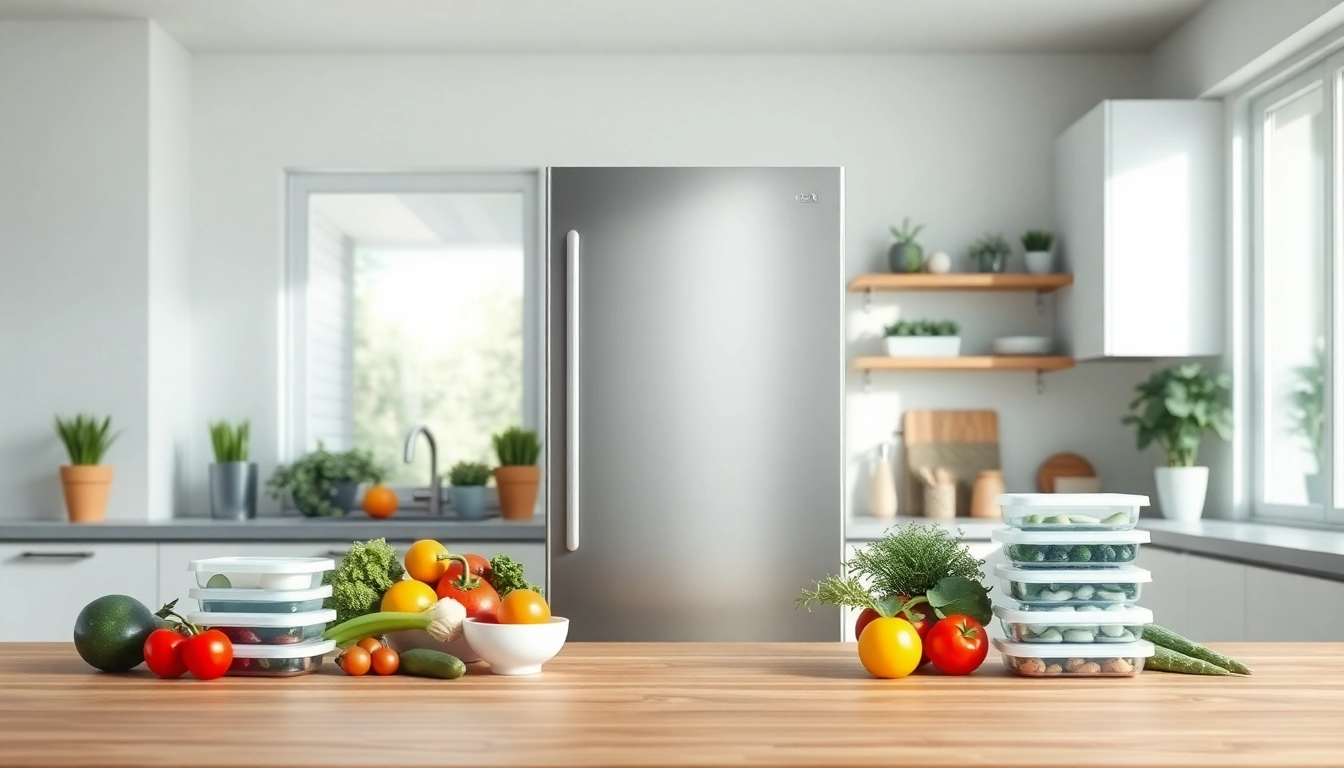
Understanding the Importance of a Freezer
In an age where meal planning and food preservation are critical for both convenience and sustainability, owning a freezer can significantly impact your culinary experiences. The ability to store food for longer periods alleviates the pressure of daily grocery shopping and promotes efficient meal preparation. Not only does a freezer allow you to save leftover meals, but it also enables you to take advantage of seasonal ingredients and sales. Moreover, it helps reduce food waste by preserving items that might otherwise spoil. With a variety of options available on the market today, understanding the true potential of a Freezer will enhance your overall cooking and eating experience.
Benefits of a Freezer in Meal Planning
Incorporating a freezer into your kitchen setup provides numerous benefits, especially for busy families or individuals who want to streamline meal preparation. Here are a few key advantages:
- Cost-Effective Shopping: Purchasing items in bulk and freezing them can lead to significant savings over time. Sales on meats, vegetables, and even bulk grains can be maximized when you have a freezer.
- Minimized Food Wastage: Leftovers from meals can be stored, ensuring that no food goes to waste. This also allows for flexibility in meal choices, as you can choose to reheat or repurpose leftover ingredients.
- Convenience: Having ready-to-eat meals stored can save time during busy weeks. This is particularly beneficial for families juggling work, educational activities, and extracurricular commitments.
- Enhanced Nutrition: Stocking your freezer with healthy meals rather than relying on fast food options can lead to a healthier diet, as you control your meal ingredients and avoid preservatives.
Types of Freezer Options Available
When it comes to choosing a freezer, there are several options to consider based on your storage needs, household size, and available space. The main types of freezers include:
- Upright Freezers: These units resemble traditional refrigerators, offering vertical storage space. They often come with adjustable shelves, making them convenient for organizing various food items.
- Chest Freezers: Typically more spacious than upright models, chest freezers provide a large capacity for bulk storage. They excel in retaining cold air, which can lead to more efficient energy use.
- Portable Freezers: Ideal for those with limited space, portable freezers can be moved easily and are suitable for small households or for use in RVs and during camping trips.
- Convertibles: These versatile units can switch between a refrigerator and freezer. They are particularly useful for those who need adaptable storage solutions for fluctuating needs.
Common Misconceptions About Freezer Use
Despite their effectiveness, there are several myths surrounding freezer use that may deter individuals from maximizing their appliance’s capabilities. Addressing these misconceptions can help users make more informed choices:
- Freezers are only for bulk purchases: While freezers excel at bulk storage, they can also be used for everyday items. You can freeze single servings or small quantities of food.
- Only certain foods can be frozen: Many foods can be frozen. While some items may lose texture, their safety and taste often remain intact.
- Frozen foods don’t retain nutritional value: In fact, freezing can preserve the nutritional benefits of food better than other preservation methods, such as canning.
- Freezers are energy hogs: Modern freezers are designed with energy efficiency in mind. Many units consume less energy than older models, especially when properly maintained.
How to Organize Your Freezer Effectively
Effective organization is essential for maximizing your freezer’s potential. A cluttered freezer can lead to food loss, difficulty in finding items, and inefficient energy use. These strategies will help you keep your freezer organized and functional:
Best Practices for Food Storage in a Freezer
Implementing best practices when storing food in your freezer can improve efficiency and maintain food quality:
- Labeling Items: Use freezer-safe labels to mark the contents and date of storage. This will help keep track of what to use first and avoid confusion.
- Use Airtight Containers: Store food in airtight containers or vacuum-sealed bags to prevent freezer burn and retain flavor. This is especially important for meats and pre-cooked meals.
- Portion Sizes: Freeze food in portion sizes that suit your family needs. This allows you to thaw only what you need, minimizing waste.
- Stay Dry: Make sure that food is completely cooled before placing it in the freezer. Excess moisture promotes ice crystals that can ruin the food’s texture.
Creative Organization Techniques for Freezer Management
Organizing your freezer can be as creative as you want. Here are a few innovative techniques:
- Color Coding: Use colored labels or containers to categorize food types (meats, vegetables, snacks) for easy identification.
- Vertical Storage: Utilize shelf organizers or bins to stack smaller items vertically, making better use of space and reducing clutter.
- Freezer Inventory List: Maintain an inventory on your fridge or smartphone app so you can quickly reference what you have stored without rummaging through your freezer.
- Designated Zones: Create zones within your freezer for different types of foods. This could mean dedicating one shelf for fruits, another for meats, etc.
Tools for Tracking and Managing Your Freezer Inventory
Keeping track of your freezer inventory can be a straightforward process with the right tools:
- Spreadsheet or App: Use a digital spreadsheet or a food inventory app to log items, dates, and quantities. This can be easily updated as food is added or removed.
- Magnetic Notepad: A magnetic notepad on your fridge with a checklist can help quickly jot down when items are added or removed.
- QR Codes: For tech-savvy individuals, label items with QR codes that link to a detailed inventory list on your phone.
Tips for Maintaining Your Freezer
Proper maintenance is crucial for ensuring the longevity and efficiency of your freezer. Here are some essential tips for keeping your appliance in optimal condition:
Regular Maintenance to Extend Freezer Life
A regular maintenance routine can help prolong the lifespan of your freezer:
- Clean Coils: Dust and dirt on the condenser coils can reduce efficiency. Clean them at least every six months.
- Check Door Seals: Examine door seals for any tears or gaps that can decrease efficiency. Replace them if necessary.
- Keep the Temperature Steady: Maintain a freezer temperature of 0°F (-18°C) to ensure food stays frozen and preserves its quality.
Signs Your Freezer Needs Repair
Being aware of potential issues can help address problems before they escalate:
- Unusual Noises: If your freezer starts making odd sounds, it could indicate a malfunctioning compressor or fan.
- Inconsistent Temperatures: Fluctuating temperatures may suggest a problem that can lead to food spoilage.
- Icing Issues: Excessive icicles or frost buildup can indicate that the freezer door is not sealing properly or a defrosting issue.
How to Defrost Your Freezer Safely
Defrosting should be done periodically to maintain efficiency. Follow these steps for a safe process:
- Empty the Freezer: Remove all items and store them in a cooler or insulated bag to keep them cold.
- Unplug and Melt: Unplug the unit and allow the ice to melt. Place towels below to absorb water.
- Wipe Down Surfaces: After defrosting, clean the interior with a solution of baking soda and water to eliminate odors.
- Plug In and Reorganize: Once dry, plug the freezer back in, allow it to reach temperature, and reorganize your items.
Recipes and Meal Ideas Using the Freezer
Stocking your freezer with ready-to-cook meals can save time and effort during the week. Here are some meal ideas that can be frozen:
Freezer-Friendly Meals for Busy Families
Creating family meals that can last in the freezer is a smart strategy for busy families:
- Lasagna: A meat or vegetable lasagna can be assembled and frozen before baking, allowing for easy meals on hectic nights.
- Chili: A robust chili can be a filling and nutritious meal option that freezes well, preserving flavors for future dinners.
- Stuffed Peppers: Prepare stuffed peppers filled with rice, beans, and meat or vegetables, freeze them raw or pre-cooked.
Snacking Options to Stock in Your Freezer
Healthy snacks are essential for families, and having them in the freezer helps curb unhealthy cravings:
- Frozen Fruits: Stock up on berries, bananas, and mango for smoothies or quick toppings.
- Veggie Chips: Prepare kale or sweet potato chips and freeze them for a healthy snack option.
- Granola Bars: Homemade granola bars can be frozen individually for a quick grab-and-go snack.
Preparing Freezer Meals Ahead of Time
Meal prepping not only saves time but also ensures you have healthy options ready to go:
- Batch Cooking: Prepare large quantities of soups, stews, or casseroles and portion them into ready meal containers.
- Marinated Proteins: Marinate proteins, seal them in freezer bags, and freeze them. Thaw overnight for quick cooking the next day.
- Freezer Smoothie Packs: Assemble smoothie ingredients in bags and freeze for a quick, nutritious breakfast option.
Frequently Asked Questions About Freezers
What is the best temperature for a Freezer?
The ideal temperature for a freezer is 0°F (-18°C). This ensures food remains frozen and retains its quality over time.
How to eliminate freezer burn on foods?
To prevent freezer burn, wrap foods tightly in airtight containers or vacuum-sealed bags before freezing, and ensure excess moisture is avoided.
Can a Freezer save money on groceries?
Yes, a Freezer can save money by allowing you to buy in bulk during sales and store seasonal produce, reducing food waste.
How long can I keep food in my Freezer?
Most foods can be safely stored in a Freezer for several months. Meat and poultry can last 3-12 months, while fruits and vegetables retain quality for about 8-12 months.
Can I store raw meat in the Freezer?
Yes, raw meat can be stored in the Freezer. Ensure it’s properly wrapped to prevent freezer burn and maintain quality during storage.