
- Understanding Pet Oxygen Machine Rental Services
- Choosing the Right Oxygen Concentrator
- Setting Up and Using Your Rental Equipment
- Payment Options and Flexibility
- Future Trends in Pet Oxygen Therapy Services
- How to Determine if Your Pet Needs Oxygen Therapy?
- What Are the Signs of Oxygen Deprivation in Pets?
- How Long Can a Pet Stay on Oxygen Therapy?
- What Should You Do If Your Oxygen Machine Malfunctions?
- Are There Any Risks Associated with Oxygen Therapy for Pets?
Understanding Pet Oxygen Machine Rental Services
As a caring pet owner, ensuring your furry friend receives the best possible care is a top priority, especially when health issues arise. In scenarios where pets require supplemental oxygen, understanding Pet oxygen machine rental service becomes a valuable option. This article explores how these services work, the benefits of renting versus buying, and how to choose the best oxygen machine for your beloved pet.
What Is a Pet Oxygen Machine?
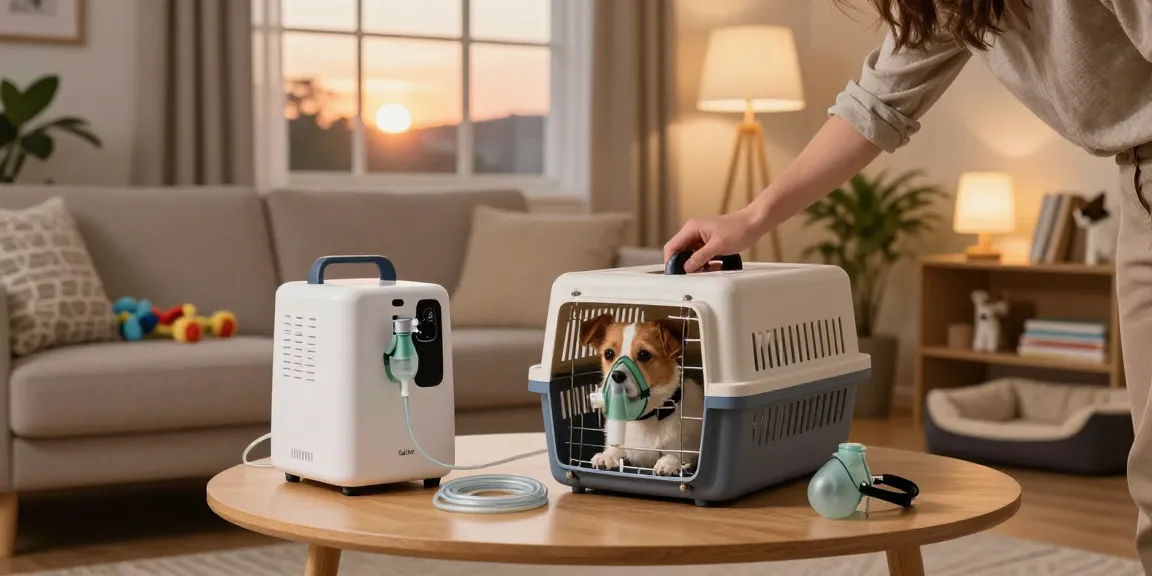
A pet oxygen machine, often referred to as an oxygen concentrator, is a medical device designed to deliver oxygen to pets suffering from respiratory conditions. These machines extract oxygen from the surrounding air, concentrate it, and deliver it as needed. They can be particularly beneficial for pets with chronic conditions such as asthma, pneumonia, or heart disease, where oxygen levels in the bloodstream may be insufficient.
How Do Oxygen Machines Work for Pets?
Oxygen concentrators function through a straightforward yet effective process. They pull in ambient air, which contains approximately 21% oxygen, and separate it using a series of filters and sieve beds. The result is medical-grade oxygen, which can be administered to pets through various devices, such as masks or nasal cannulas. This ensures that your pet receives a steady supply of oxygen to aid in recovery or to manage chronic health issues.
Benefits of Renting Over Buying
- Cost-Effective: Renting is often more affordable for short-term needs, especially when unexpected health issues arise.
- Flexibility: Rental plans can typically be adjusted based on your pet’s condition—upgrading or downgrading as necessary.
- Immediate Access: You can obtain a rental unit quickly without the need for a significant upfront investment.
- No Maintenance Hassles: Rental services often cover maintenance, reducing the stress on pet owners.
Choosing the Right Oxygen Concentrator
Selecting the appropriate oxygen machine for your pet is crucial for their health and comfort. With a variety of options available, understanding the specific needs of your pet will help guide your choice.
Types of Oxygen Machines Available
There are primarily two types of oxygen concentrators available for rental:
- Home Oxygen Concentrators: These are larger units designed for at-home use, providing a steady supply of oxygen for extended periods.
- Portable Oxygen Concentrators: Ideal for travel or outdoor activities, these units are smaller, lighter, and designed for mobility.
Evaluating Your Pet’s Needs
Before selecting a concentrator, consider your pet’s specific health condition, the duration of oxygen therapy required, and your lifestyle. Consulting with your veterinarian can provide valuable insights into the best oxygen delivery system for your pet’s needs.
Comparing Rental Plans and Pricing
When choosing a rental plan, it’s essential to compare the various options available. Look for rental services that offer flexible payment terms, transparent pricing, and no hidden fees. Understanding the costs associated with different models helps in making an informed decision without compromising quality.
Setting Up and Using Your Rental Equipment
Setting up an oxygen concentrator can seem daunting, but following a step-by-step guide can streamline the process, ensuring your pet receives the care they need as quickly as possible.
Step-by-Step Setup Guide
- Unpack the Equipment: Carefully remove the concentrator and accessories from the packaging.
- Place the Unit: Set the oxygen concentrator in a well-ventilated area, away from walls or obstructions.
- Connect the Oxygen Tubing: Attach the tubing to the concentrator and the delivery device, whether it be a mask or a cannula.
- Power On: Plug in the device and turn it on, ensuring it reaches the required oxygen levels.
- Monitor Your Pet: Observe your pet during the first few uses to ensure they are comfortable with the delivery method.
Best Practices for Oxygen Therapy
To maximize the effectiveness of oxygen therapy, adhere to best practices, including:
- Regularly check the equipment for any signs of malfunction.
- Keep the area around the concentrator clean and free of obstructions.
- Schedule regular follow-ups with your veterinarian to monitor your pet’s progress.
Common Mistakes to Avoid
When managing oxygen therapy for your pet, avoid these common pitfalls:
- Not monitoring oxygen levels closely, leading to potential over or under-saturation.
- Using equipment not designed for pets, which may be uncomfortable or even unsafe.
- Failing to follow the rental service’s guidelines for use and maintenance.
Payment Options and Flexibility
When considering a pet oxygen machine rental service, understanding your payment options is essential for a seamless experience. Most services provide a range of payment methods designed for convenience.
Understanding Rental Costs and Fees
The costs associated with rental services can vary significantly, based on factors such as the model chosen, rental duration, and any additional accessories required. Always inquire about the total cost, including any potential additional fees, to ensure you have a complete understanding of your financial commitment.
Flexible Payment Methods Explained
Various payment options are typically available to accommodate your preferences. These may include:
- Cash on delivery
- Bank transfers
- Credit card payments (Visa and Mastercard)
- Mobile payment options like PayMe or FPS
Trial Plans and Rental Duration Options
For those unsure of how long their pet will need oxygen therapy, many services offer trial plans. These plans allow you to rent equipment on a short-term basis, providing flexibility and the ability to evaluate your pet’s needs without a long-term commitment.
Future Trends in Pet Oxygen Therapy Services
As technology advances, the landscape of pet oxygen therapy is evolving. Understanding these trends can help pet owners anticipate changes and prepare for the future.
Innovations in Oxygen Technology for Pets
The rise of smart technology is paving the way for more effective oxygen treatment solutions. Upcoming innovations include devices equipped with monitoring systems to track oxygen levels in real-time, enhancing pet owners’ ability to manage therapy effectively.
Emerging Services in the Rental Market
As awareness of pet health continues to grow, rental services are beginning to offer more comprehensive packages that include training for pet owners on proper usage and best practices, ensuring that both owner and pet can benefit from the technology.
Anticipated Changes for 2026 and Beyond
Looking ahead, expect to see greater integration of telehealth services in pet care. This integration will likely allow veterinary professionals to monitor oxygen levels remotely and make adjustments to treatment plans as needed without needing in-person visits.
How to Determine if Your Pet Needs Oxygen Therapy?
Recognizing the signs that your pet may require oxygen therapy is vital for prompt treatment. Common indicators include labored breathing, excessive panting, lethargy, and bluish tint on the gums.
What Are the Signs of Oxygen Deprivation in Pets?
Pets suffering from oxygen deprivation may display various symptoms, including:
- Difficulty breathing
- Coughing or wheezing
- Increased heart rate
- Behavioral changes such as anxiety or restlessness
How Long Can a Pet Stay on Oxygen Therapy?
The duration of oxygen therapy can vary widely depending on the underlying condition being treated. Some pets may only require oxygen for a few days, while others may benefit from ongoing therapy. Regular check-ups with your veterinarian will help determine when it’s appropriate to adjust the treatment.
What Should You Do If Your Oxygen Machine Malfunctions?
In the event of a malfunction, immediately contact your rental service for assistance. Most rental providers offer support, including troubleshooting steps or options for equipment replacement.
Are There Any Risks Associated with Oxygen Therapy for Pets?
While oxygen therapy is generally safe, there are potential risks, such as:
- Oxygen toxicity, which can occur with overly high concentrations over extended periods.
- Dryness in the nasal passages if humidity is not properly managed.
To mitigate risks, always follow guidelines provided by your veterinarian and the rental service, ensuring your pet’s safety during treatment.
In conclusion, understanding and utilizing a pet oxygen machine rental service can greatly enhance your pet’s quality of life during recovery. Being informed and prepared is key to providing the best possible care for your furry family members.
