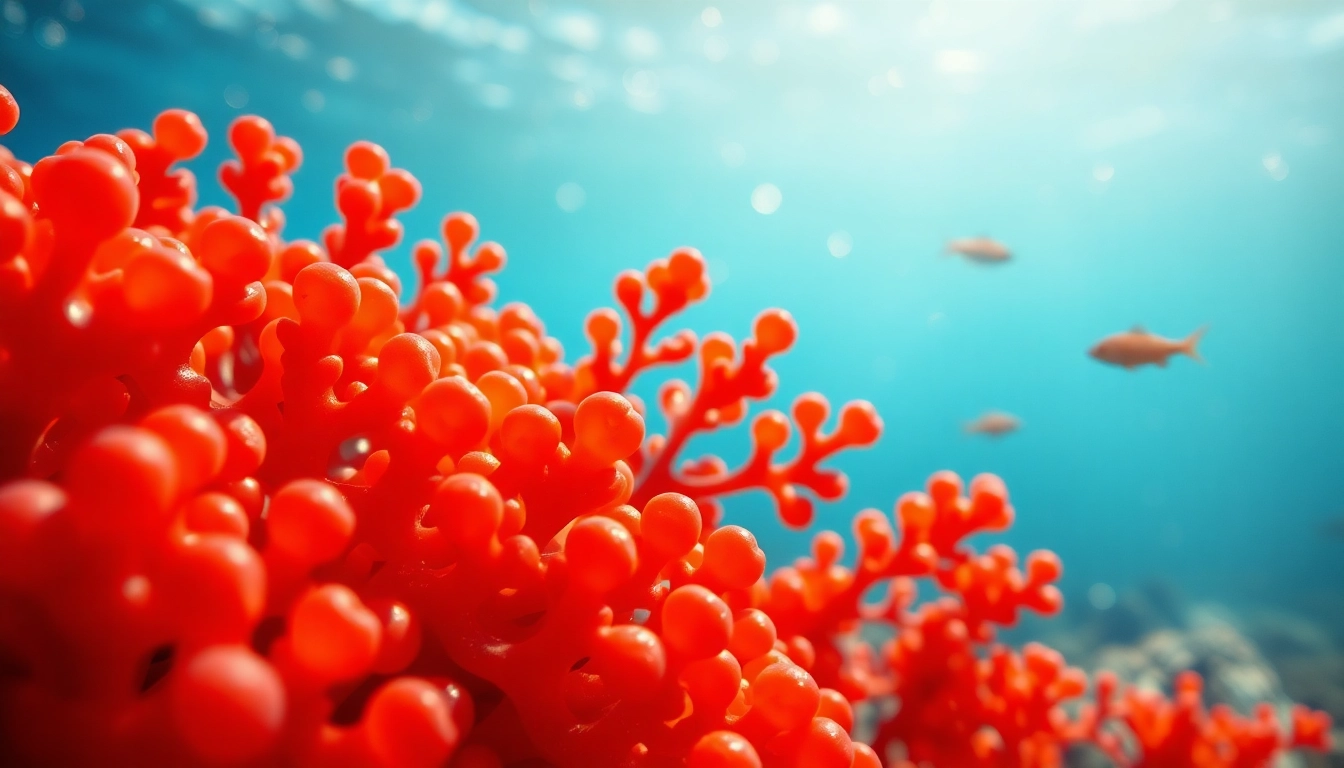
Understanding Natural Astaxanthin
What Is Natural Astaxanthin?
Natural astaxanthin is a potent antioxidant belonging to the carotenoid family, which is responsible for the pinkish-red coloration observed in various marine organisms, particularly in certain algae, salmon, trout, and shrimp. Unlike many other antioxidants, astaxanthin is distinguished by its unique chemical structure, which grants it superior free radical scavenging abilities. This characteristic makes it significantly more effective than vitamin C, vitamin E, and beta-carotene. Its role in nature is primarily to protect these organisms from environmental stressors, such as UV radiation and oxidative damage. As a dietary supplement, natural astaxanthin is praised for its potential health benefits, ranging from improved skin health to enhanced athletic performance.
The Sources of Natural Astaxanthin
Natural astaxanthin is predominantly derived from the microalga Haematococcus pluvialis, which is recognized for its ability to produce large quantities of astaxanthin under stress conditions, such as sunlight exposure and nutrient deprivation. Other significant sources include crustaceans like shrimp and krill, salmon, and certain species of birds that consume these marine organisms. The dietary intake of astaxanthin through these sources not only contributes color but also enhances the nutritional profile of the food chain. For health-conscious individuals looking to incorporate natural astaxanthin into their diets, recognizing these sources is essential.
Natural Astaxanthin vs. Synthetic Alternatives
While synthetic astaxanthin is manufactured for various applications, such as food coloring and feed for aquaculture, the efficacy and safety of natural astaxanthin make it the preferred choice for health supplements. The synthetic form, often produced from petrochemical derivatives, lacks the same bioavailability and antioxidant potency found in its natural counterpart. Research suggests that natural astaxanthin, obtained from organic sources, is better absorbed and utilized by the human body, leading to more pronounced health benefits. Therefore, it is advisable to prioritize natural astaxanthin derived from algae or marine sources over synthetic versions.
Health Benefits of Natural Astaxanthin
Antioxidant Properties and Their Impact
One of the most significant attributes of natural astaxanthin is its robust antioxidant properties. Studies indicate that astaxanthin may possess over 6000 times the antioxidant capacity of vitamin C, allowing it to effectively combat oxidative stress and protect cellular health. Its ability to neutralize reactive oxygen species (ROS) helps prevent cellular damage linked to various chronic diseases, including cardiovascular issues and certain forms of cancer. Regular consumption of natural astaxanthin may thus enhance overall health and longevity, making it a valuable addition to any health regimen.
Natural Astaxanthin for Skin Health
Astaxanthin has gained popularity in the beauty and skincare industry due to its remarkable benefits for skin health. Research demonstrates that this carotenoid can improve skin elasticity, moisture levels, and overall appearance by combating signs of aging, such as wrinkles and fine lines. Additionally, its anti-inflammatory properties can help reduce skin irritation and enhance the skin’s defense against UV damage. By including astaxanthin in skincare formulations or as a dietary supplement, individuals can promote a youthful and radiant complexion.
Potential Benefits in Sports and Recovery
For athletes and fitness enthusiasts, natural astaxanthin may play a crucial role in performance enhancement and recovery. This carotenoid is associated with reducing exercise-induced fatigue, improving endurance, and accelerating recovery times. Its antioxidant properties limit oxidative stress during intense workouts, thereby protecting muscle fibers from damage. Moreover, astaxanthin may support cardiovascular health by improving blood flow and oxygen delivery to muscles, which can contribute to better athletic performance.
How to Incorporate Natural Astaxanthin into Your Diet
Natural Food Sources of Astaxanthin
To benefit from natural astaxanthin, incorporating various food sources into your diet is essential. The most notable sources include wild-caught salmon, shrimp, crab, and trout — all known for their vibrant pink flesh, which indicates the presence of astaxanthin. Additionally, microalgae, particularly Haematococcus pluvialis, is a potent source and has recently become popular in health foods and supplements. By diversifying your diet with these food sources, you can naturally increase your astaxanthin intake.
Supplementation: Guidelines and Recommendations
For those who find it challenging to obtain sufficient natural astaxanthin through diet alone, supplementation may be a viable option. Typical recommended dosages range from 4 to 12 mg per day, depending on individual needs and health goals. When selecting a product, it is crucial to opt for high-quality natural astaxanthin supplements sourced from reputable manufacturers. As with any supplement, it’s advisable to consult a healthcare practitioner before beginning a new regimen, particularly if you have existing health conditions or are on medication.
Recipe Ideas Featuring Natural Astaxanthin
Incorporating natural astaxanthin into your diet can be both delicious and nutritious. Here are a few recipe ideas:
- Salmon with Avocado Salsa: Grill salmon fillets and top with a fresh avocado salsa for a healthy meal rich in astaxanthin.
- Shrimp Stir-Fry: Sauté shrimp with colorful vegetables like bell peppers and broccoli, enhancing the dish with a squeeze of lime.
- Astaxanthin Smoothie: Blend unsweetened almond milk, spinach, banana, and a scoop of microalgae powder for a refreshing drink loaded with antioxidants.
Scientific Research on Natural Astaxanthin
Recent Studies and Findings
Research on natural astaxanthin has expanded significantly, revealing its multifaceted benefits across various health domains. Recent studies highlight its role in enhancing cognitive function, neuroprotection, and reducing chronic inflammation. Furthermore, clinical trials have indicated that astaxanthin may aid in improving lipid profiles and supporting metabolic health. This accumulating body of evidence underscores natural astaxanthin’s potential as a powerful supplement for preventative health.
Natural Astaxanthin and Inflammation
Chronic inflammation is a key contributor to many health issues, including heart disease and autoimmune disorders. Natural astaxanthin has demonstrated strong anti-inflammatory properties, evident in several clinical studies. It works by inhibiting inflammation-related pathways and molecules, thereby reducing pain and swelling. Individuals suffering from chronic conditions may find natural astaxanthin beneficial for managing inflammation and improving their quality of life.
Long-term Effects of Natural Astaxanthin Intake
The effects of long-term natural astaxanthin supplementation are the focus of ongoing research. Current findings suggest that prolonged intake can lead to significant health advantages, including sustained improvements in skin health, cardiovascular health, and reduction in oxidative stress. Participants in studies who took astaxanthin over extended periods reported better overall health and wellness metrics, indicating that it may play a protective role against age-related decline.
Frequently Asked Questions about Natural Astaxanthin
What is the best source of natural astaxanthin?
The best source of natural astaxanthin is Haematococcus pluvialis, a microalga, along with salmon, shrimp, and other crustaceans. These foods are rich in astaxanthin and easily incorporated into your diet.
Can natural astaxanthin improve athletic performance?
Yes, natural astaxanthin can enhance athletic performance by reducing muscle fatigue, improving endurance, and aiding in quicker recovery after intense exercise.
Are there any side effects of taking natural astaxanthin?
Natural astaxanthin is generally considered safe. Possible side effects may include digestive upset for some individuals, but this is rare and usually mild.
How much natural astaxanthin should I take daily?
A typical recommended dosage ranges from 4 to 12 mg per day. It is advisable to consult a healthcare professional for personalized recommendations.
Is natural astaxanthin safe for everyone?
Natural astaxanthin is safe for most people. However, those with specific allergies, conditions, or who are pregnant or breastfeeding should consult their doctor before taking supplements.