Understanding Marginal Pond Plants
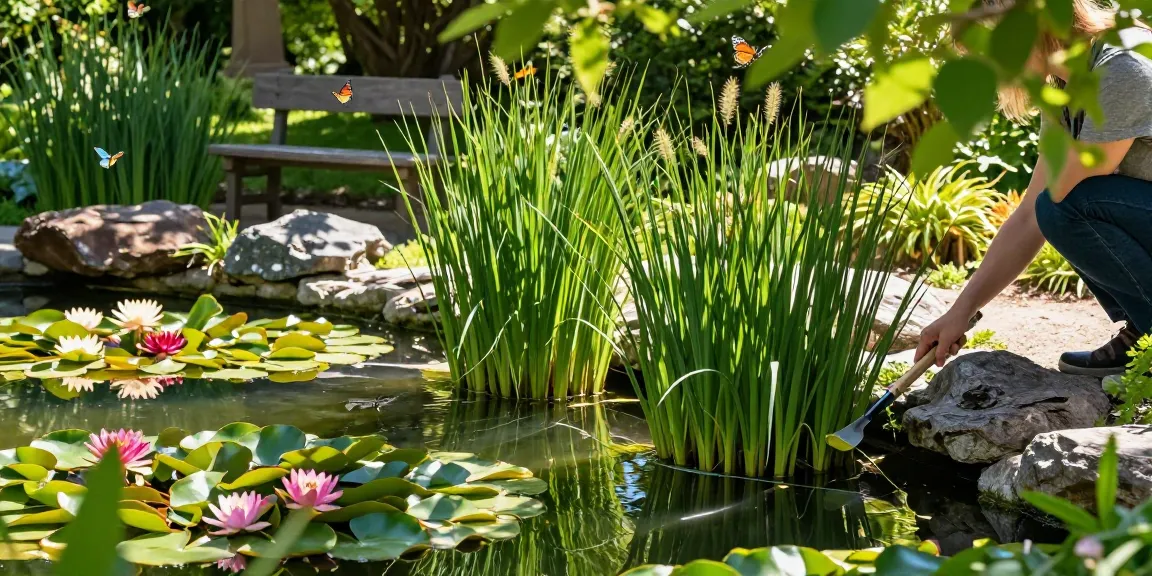
Marginal pond plants play a pivotal role in maintaining a balanced aquatic ecosystem. These plants typically grow at the water’s edge, partly submerged, providing essential habitat for wildlife while contributing to the overall aesthetic appeal of your pond. When exploring options, Marginal Pond Plants offer a range of benefits that can enhance your pond’s biodiversity and health.
What Are Marginal Pond Plants?
Marginal pond plants are those species that thrive in the shallow areas of water bodies, including ponds, lakes, and wetlands. These plants typically have their roots submerged in water, while the rest of their structure rises above the water’s surface. Common examples include species like Cyperus alternifolius (Umbrella Plant) and Juncus effusus (Soft Rush). Marginal plants are essential for any pond setup, as they serve to stabilize the bank, prevent erosion, and offer shade, which is crucial for water temperature regulation.
Benefits of Marginal Plants in Your Pond
- Biodiversity: Marginal plants attract various insects, birds, and other wildlife, creating a bustling ecosystem.
- Water Quality Improvement: They help filter pollutants and excess nutrients from the water, maintaining clean and healthy water conditions.
- Erosion Control: Their extensive root systems bind the soil, preventing erosion along the pond’s edge.
- Aesthetics: Marginal plants add beauty and texture to the pond landscape, enhancing the overall visual appeal.
Key Characteristics to Identify Marginal Plants
Identifying marginal pond plants involves looking for specific characteristics. Typically, these plants:
- Grow in shallow water, usually less than 12 inches deep.
- Have broad leaves or stems that rise above the water surface.
- Form clumps or colonies rather than spreading vigorously.
- Exhibit adaptation features like aerenchyma (specialized tissue for buoyancy and gas exchange).
Common Issues with Marginal Pond Plants
While marginal pond plants are generally hardy, they can face several challenges that may hinder their growth and health. Understanding these common issues is key to maintaining a thriving pond environment.
Pest and Disease Problems
Pests such as aphids, snails, and caterpillars can pose significant threats to marginal plants. Additionally, diseases like root rot can damage the plant’s system. Regular inspections and organic pest control methods, such as introducing beneficial insects, can help mitigate these problems.
Environmental Factors Affecting Growth
Environmental factors play a crucial role in the growth of marginal pond plants. Excess nutrient runoff can lead to algal blooms, which block sunlight and inhibit plant growth. Therefore, implementing measures to manage nutrient input is essential for the health of your pond.
Nutritional Deficiencies and Remedies
Marginal plants may exhibit signs of nutritional deficiencies, such as yellowing leaves or stunted growth. Adding organic fertilizers or compost can replenish essential nutrients and foster a robust growth environment. Regularly testing the soil and water can also provide insights into necessary amendments.
Best Practices for Planting Marginal Pond Plants
Successfully establishing marginal pond plants involves understanding their needs and preparing the planting environment appropriately. Below are best practices to consider.
Choosing the Right Location for Your Plants
Selecting the ideal location for your marginal plants is vital. They should be placed in areas with ample sunlight, as most prefer full sun to partial shade. Additionally, ensure that the water depth is suitable for the chosen species, typically no deeper than 12 inches.
Soil Requirements and Preparations
Marginal plants thrive in rich, loamy soils that retain moisture without becoming waterlogged. Before planting, amend the soil with organic matter to enhance its structure and nutritional content. Proper soil preparation fosters healthy root development.
Watering Techniques for Optimal Growth
While marginal plants are adapted to wet conditions, during dry spells, ensure they receive adequate water, especially in the establishment phase. Drip irrigation can be an effective method to maintain optimal moisture levels without over-saturating the soil.
Maintaining Your Marginal Pond Plants
Sustaining the health of your marginal plants requires diligence and attention to detail. Here are crucial maintenance practices.
Regular Pruning and Care Routines
Regular pruning of marginal plants helps to maintain their shape and encourages healthy growth. Remove any dead or damaged foliage and prevent overcrowding by thinning out dense clusters.
Seasonal Adjustments and Preparations
As seasons change, so do the needs of your marginal plants. In winter, some species may require mulching to protect the roots from freezing temperatures. During the growing season, ensure they get an adequate supply of nutrients.
Water Quality Management Tips
Maintaining water quality is crucial for the health of your marginal pond plants. Regular testing for pH, nutrient levels, and pollutants can help you address any issues promptly. Consider utilizing biofilters or introducing beneficial bacteria to keep the water clean.
Future Trends in Pond Gardening (2026 and Beyond)
As we look towards the future of pond gardening, several trends are emerging that will shape how we cultivate and care for our marginal pond plants.
Innovative Techniques for Sustainable Gardening
In 2026 and beyond, sustainable gardening techniques such as permaculture and organic practices are expected to gain popularity. Utilizing natural pest control methods and native plant varieties will help maintain ecological balance and reduce environmental impact.
Emerging Plant Varieties to Consider
There is a growing interest in unique and lesser-known marginal plant varieties that offer additional benefits. Plants such as Calamagrostis acutiflora (Reed Grass) and Thalia dealbata (Powdery Alligator Flag) are becoming popular choices due to their aesthetic appeal and wildlife support.
Impact of Climate Change on Pond Plant Care
Climate change is expected to alter the landscapes of our gardens. Understanding the impact of changing weather patterns and adjusting care routines will be crucial for the sustainability of marginal pond plants. More frequent droughts or heavy rainfall may require adaptive management strategies.
What are the best marginal pond plants for beginners?
For beginners, some excellent choices include Pickerel Rush (Pontederia cordata), Blue Flag Iris (Iris versicolor), and Marsh Marigold (Caltha palustris). These species are relatively easy to grow and provide significant benefits to pond ecosystems.
How do I prevent pests from damaging my marginal pond plants?
Preventative measures such as encouraging beneficial insects, regularly scouting your plants, and maintaining overall plant health can reduce pest damage significantly. Additionally, using organic pesticides as a last resort can help protect your plants without harming the ecosystem.
What is the best time to plant marginal pond plants?
The ideal time to plant marginal pond plants is in the spring when water temperatures begin to rise. This allows plants to establish themselves before the heat of summer sets in.
How can I improve water quality for pond plants?
Improving water quality can be achieved through regular testing, the introduction of aquatic plants that absorb excess nutrients, and the use of filtration systems to maintain clean water. Implementing a balanced ecosystem is key to promoting healthy growth.
What tools do I need for caring for marginal pond plants?
Essential tools for caring for your marginal pond plants include a pair of gardening gloves, pruning shears for trimming, a trowel for planting, and a hose or watering can for precise watering. Having the right tools on hand ensures efficient care and maintenance.